giovedì, Aprile 2, 2026
No Result
View All Result
  • Login
evus.it
  • Home
  • Notizie inedite
    • All
    • Itinerari
    L’Abbazia di San Vincenzo al Furlo

    L’Abbazia di San Vincenzo al Furlo

    Il Castello di Guelfone, porta del Monte Cucco

    La sirena a due code della necropoli di Sovana

    La sirena a due code della necropoli di Sovana

    La squadra, il martello e lo scalpello

    Graffitomania nella chiesa di San Claudio

    L’affascinante complesso della Trinità a Venosa

    L’affascinante complesso della Trinità a Venosa

    Laterano, il paese scomparso dell’isola d’Elba

    Laterano, il paese scomparso dell’isola d’Elba

  • Ultime scoperte
    Da Gesù a Francesco: “Pace a questa casa”

    Da Gesù a Francesco: “Pace a questa casa”

    L’origine greca del toponimo “Ghea”

    Quando Perugia guardava ad Oriente

    Quando Perugia guardava ad Oriente

    La salvezza nel tempio dell’Angelo

    Le misteriose iscrizioni del Tempio Sant’Angelo

    TOUR IN ASSISI

    Un disegno di pace da Francesco a Federico II

    Sulle tracce di Bevignate

    Sulle tracce di Bevignate

  • Rivelazioni
    • All
    • Antiquae gentes
    • Apocalypsis
    • Homo faber
    Il mistero del capitello di Spoleto

    Il mistero del capitello di Spoleto

    L’arcangelo dai mille volti

    L’arcangelo dai mille volti

    Lucia… e il giorno più corto che ci sia

    L’amore scritto sul muro

    La squadra, il martello e lo scalpello

    Il mistero del capitello di Spoleto

    Il regno di Dio: Luca e Tommaso a confronto

    L’arcangelo dai mille volti

    Da Ercole a San Michele, un culto legato alla transumanza

  • Eventi
    • All
    • Conferenze e Convegni
    • Itinerari guidati
    Una scultura di Federico II ad Assisi?

    Una scultura di Federico II ad Assisi?

    Un disegno di pace da Francesco a Federico II

    L’incontro di san Francesco e il Sultano. Anno Domini 1219

    Convegno su Frate Elia il 28 e il 29 giugno a Cortona

    Convegno su Frate Elia il 28 e il 29 giugno a Cortona

    L’incontro di san Francesco e il Sultano. Anno Domini 1219

    Francesco e Federico II alla corte del Sultano. Conferenza a Perugia.

    A Fabriano il Natale in simboli

    Aspettando i Re Magi…

    Successo per il convegno su Francesco, Federico II e frate Elia

    Successo per il convegno su Francesco, Federico II e frate Elia

  • Info e contatti
    • About me
    • contacts
    • copyright
    • credits
    • link utili
  • International edition

    For those who want to get off the beaten path…

    Il culto delle sante galattofore

    February, women and therapeutic waters

    The flower of life

    Medieval parchments

    Medieval parchments

    Il mistero del capitello di Spoleto

    A mystery in the crypt

    Butchers, surgeons and charlatans

    Butchers, surgeons and charlatans

evus.it
  • Home
  • Notizie inedite
    • All
    • Itinerari
    L’Abbazia di San Vincenzo al Furlo

    L’Abbazia di San Vincenzo al Furlo

    Il Castello di Guelfone, porta del Monte Cucco

    La sirena a due code della necropoli di Sovana

    La sirena a due code della necropoli di Sovana

    La squadra, il martello e lo scalpello

    Graffitomania nella chiesa di San Claudio

    L’affascinante complesso della Trinità a Venosa

    L’affascinante complesso della Trinità a Venosa

    Laterano, il paese scomparso dell’isola d’Elba

    Laterano, il paese scomparso dell’isola d’Elba

  • Ultime scoperte
    Da Gesù a Francesco: “Pace a questa casa”

    Da Gesù a Francesco: “Pace a questa casa”

    L’origine greca del toponimo “Ghea”

    Quando Perugia guardava ad Oriente

    Quando Perugia guardava ad Oriente

    La salvezza nel tempio dell’Angelo

    Le misteriose iscrizioni del Tempio Sant’Angelo

    TOUR IN ASSISI

    Un disegno di pace da Francesco a Federico II

    Sulle tracce di Bevignate

    Sulle tracce di Bevignate

  • Rivelazioni
    • All
    • Antiquae gentes
    • Apocalypsis
    • Homo faber
    Il mistero del capitello di Spoleto

    Il mistero del capitello di Spoleto

    L’arcangelo dai mille volti

    L’arcangelo dai mille volti

    Lucia… e il giorno più corto che ci sia

    L’amore scritto sul muro

    La squadra, il martello e lo scalpello

    Il mistero del capitello di Spoleto

    Il regno di Dio: Luca e Tommaso a confronto

    L’arcangelo dai mille volti

    Da Ercole a San Michele, un culto legato alla transumanza

  • Eventi
    • All
    • Conferenze e Convegni
    • Itinerari guidati
    Una scultura di Federico II ad Assisi?

    Una scultura di Federico II ad Assisi?

    Un disegno di pace da Francesco a Federico II

    L’incontro di san Francesco e il Sultano. Anno Domini 1219

    Convegno su Frate Elia il 28 e il 29 giugno a Cortona

    Convegno su Frate Elia il 28 e il 29 giugno a Cortona

    L’incontro di san Francesco e il Sultano. Anno Domini 1219

    Francesco e Federico II alla corte del Sultano. Conferenza a Perugia.

    A Fabriano il Natale in simboli

    Aspettando i Re Magi…

    Successo per il convegno su Francesco, Federico II e frate Elia

    Successo per il convegno su Francesco, Federico II e frate Elia

  • Info e contatti
    • About me
    • contacts
    • copyright
    • credits
    • link utili
  • International edition

    For those who want to get off the beaten path…

    Il culto delle sante galattofore

    February, women and therapeutic waters

    The flower of life

    Medieval parchments

    Medieval parchments

    Il mistero del capitello di Spoleto

    A mystery in the crypt

    Butchers, surgeons and charlatans

    Butchers, surgeons and charlatans

No Result
View All Result
Plugin Install : Cart Icon need WooCommerce plugin to be installed.
evus.it
No Result
View All Result
Home International edition

The saint of Templars

by Antonella Bazzoli
14/05/2021
in International edition

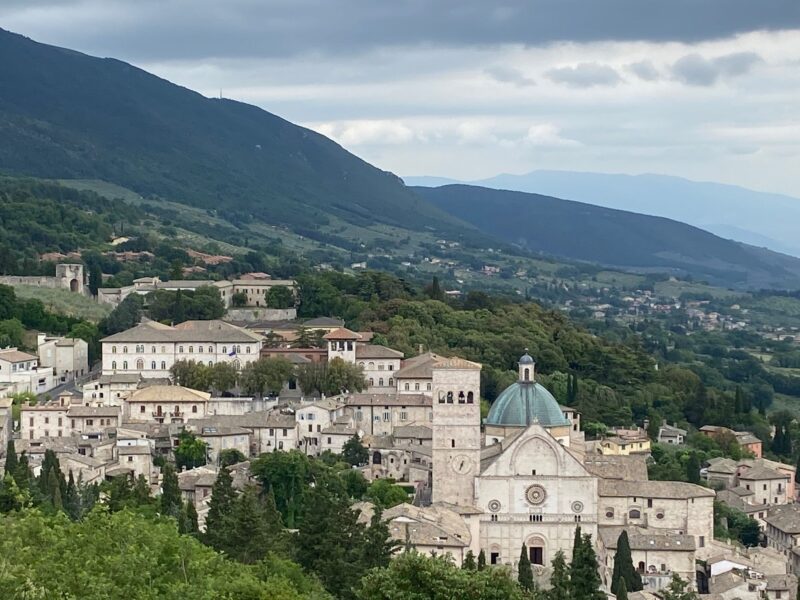
According to the tradition Bevignate was a hermit who was born and lived in Perugia, although we don’t know exactly when. André Vauchez called him “the mysterious saint of Perugia” and Ugolino Nicolini wrote: “total darkness surrounds his story.” 
Some say he lived at the end of the fifth century, others between the XII and XIII.” A legend says he came from Germany at the time of Theodoric, King of the Goths. The same tradition says he has six brothers, including Ercolano, the bishop who became the patron saint of Perugia.
Iacobilli reports that Bevignate left the material world to enter into a “monastery of monks who wore white habits of wool cloth and blue rope belt”. In a forest outside the citywall of Perugia, he lived as a hermit for many years, in poverty, penitence, prayer and divine contemplation.
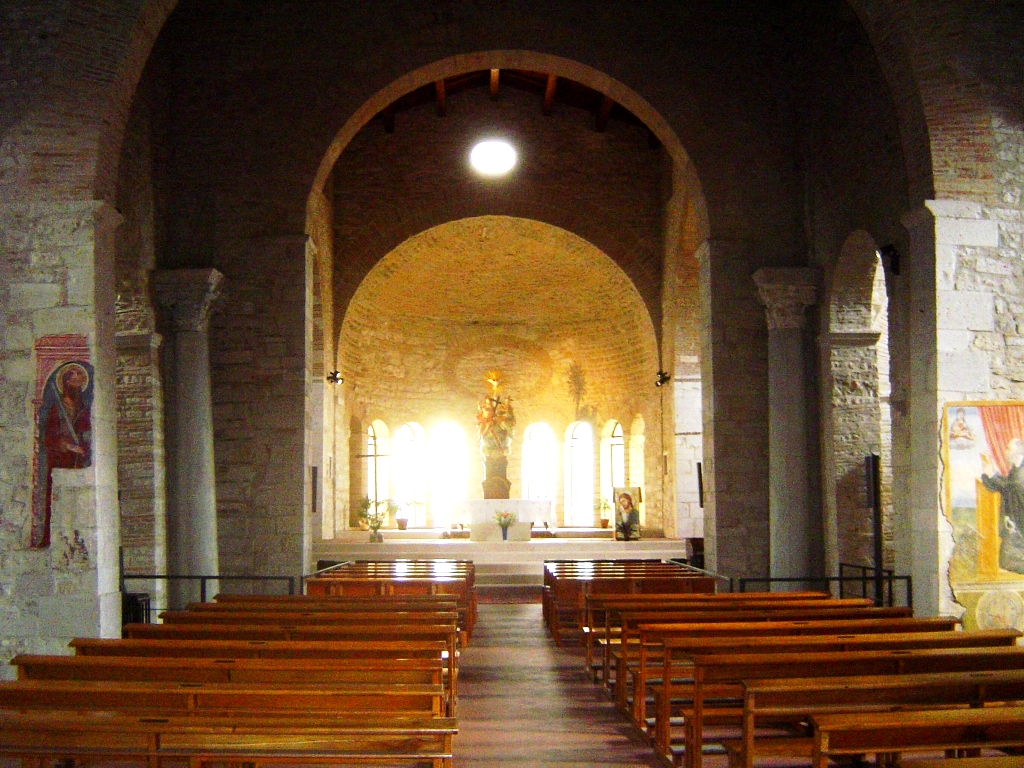
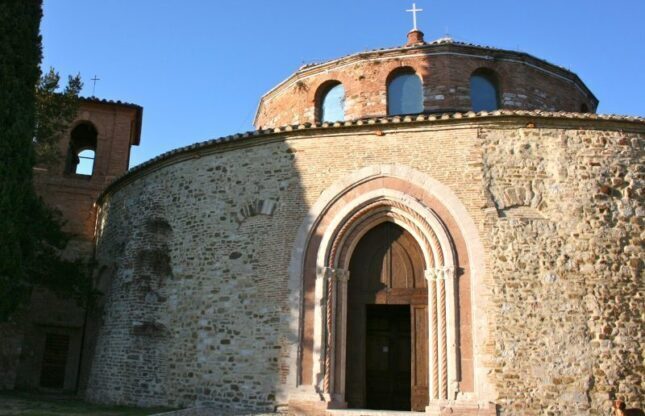
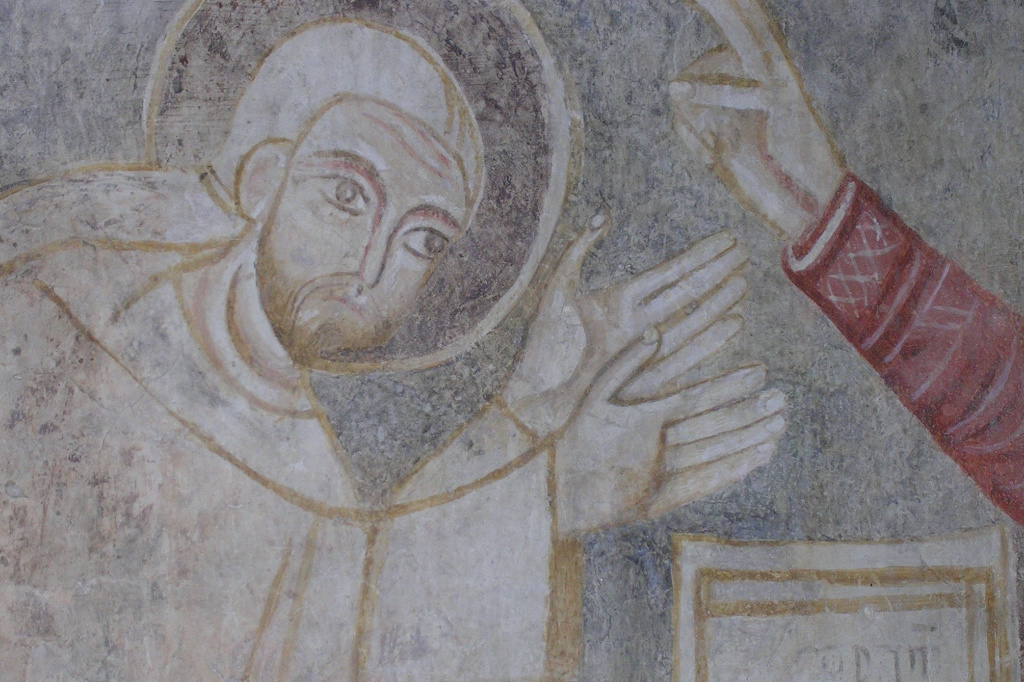
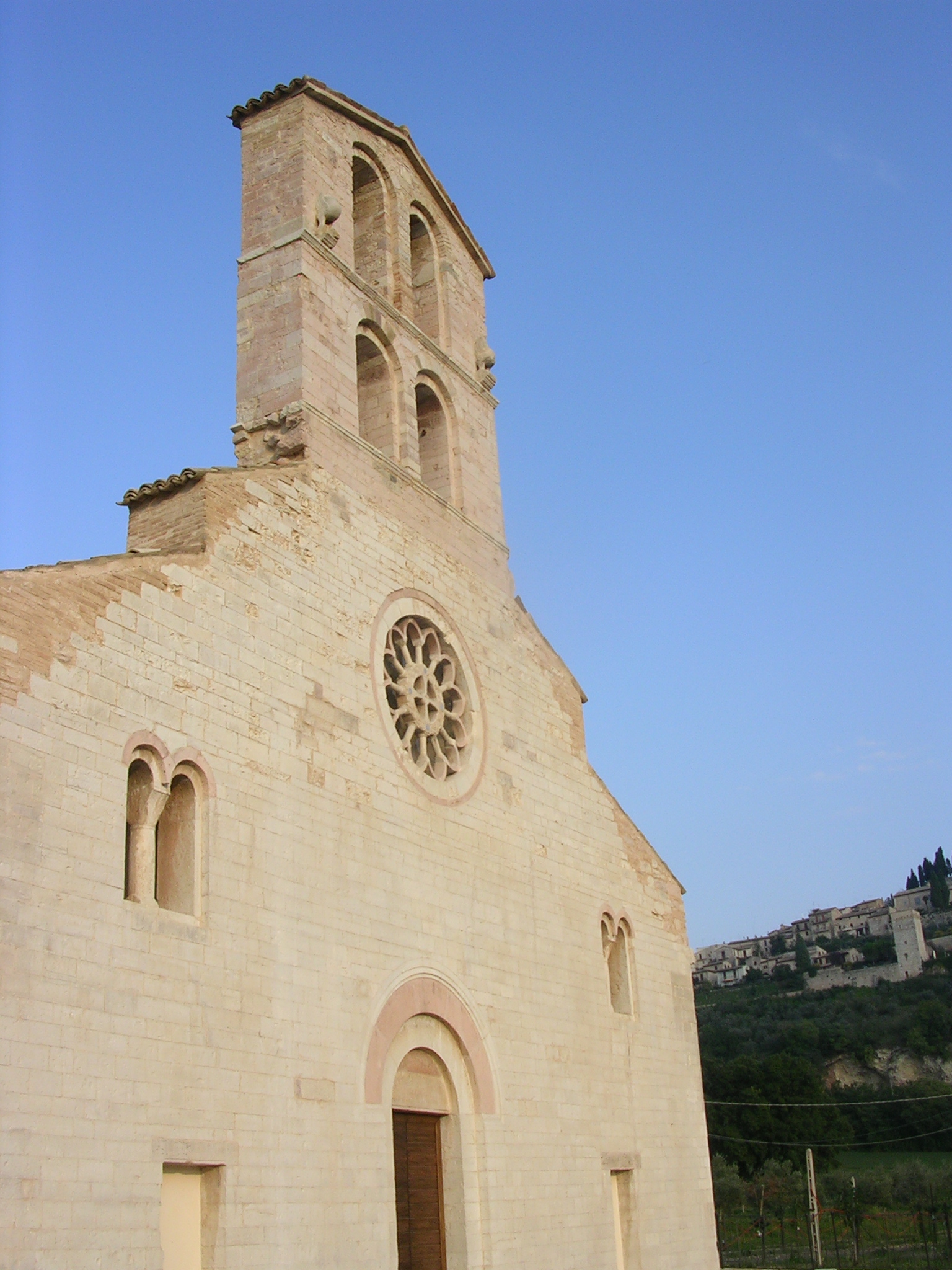
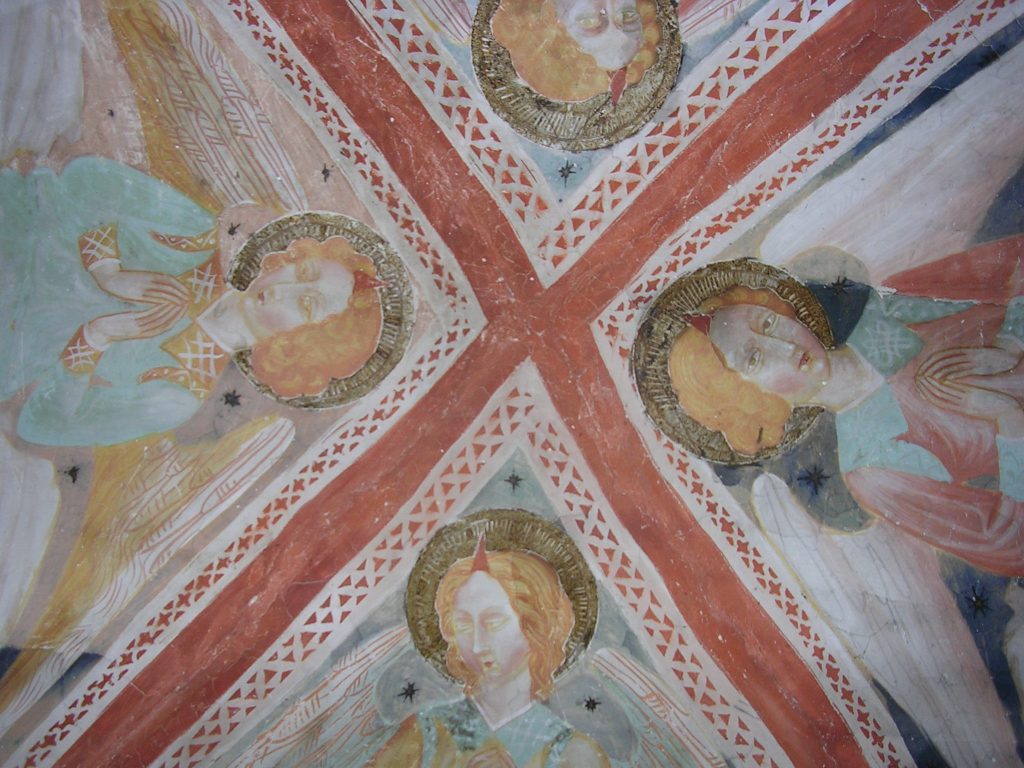
Among his miracles there is one regarding olives and wheat, that became ripe before their times making possible to feed the poor who visited him. A second miracle occurred when two innocents men, sentenced to death, were saved and released by recommendation of the saint. A third miracle was the resurrection of a child, killed by a wolf and saved by the saint. This miracle was represented in an medieval fresco inside the templar church dedicated to the saint.
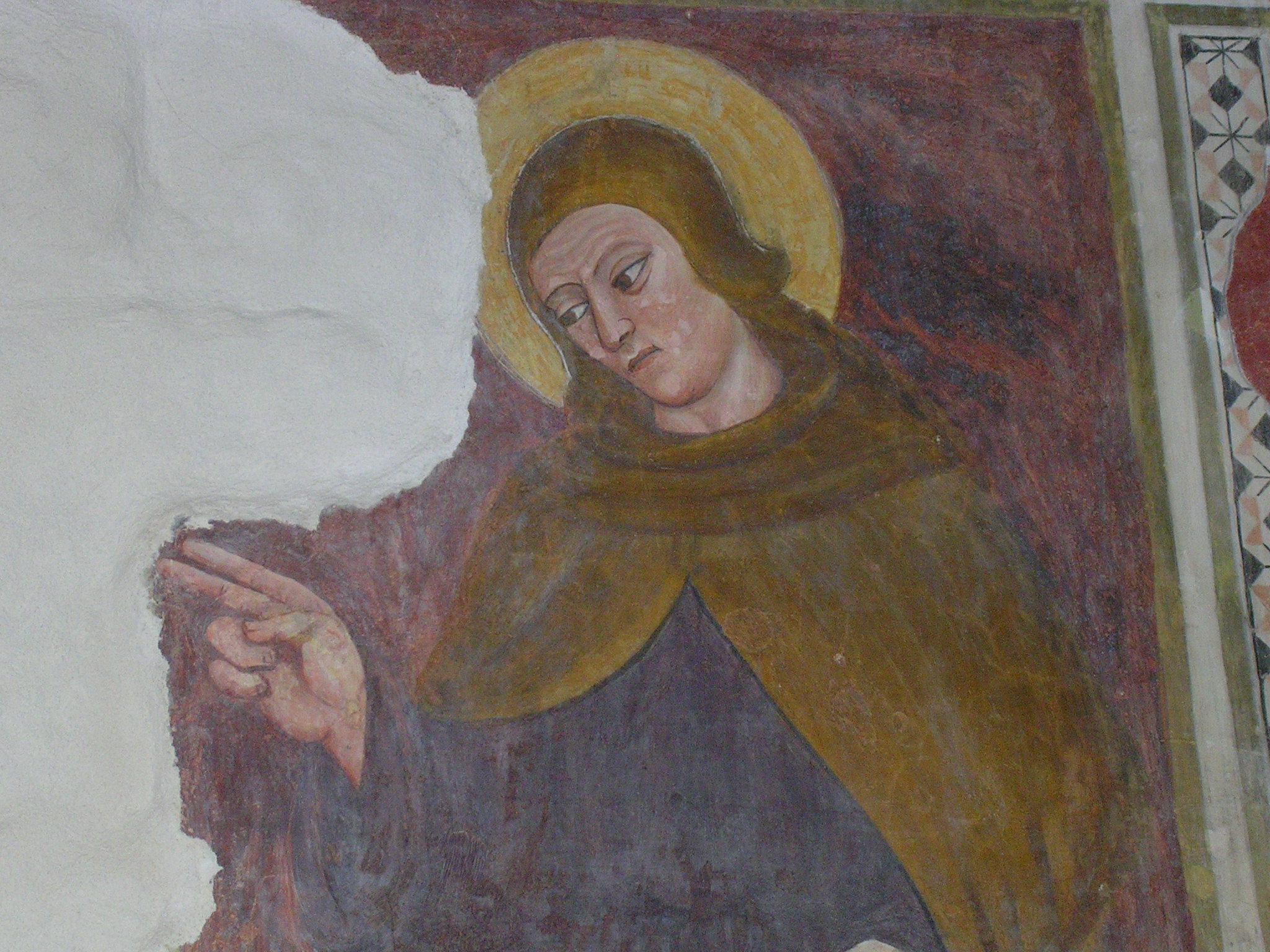
 

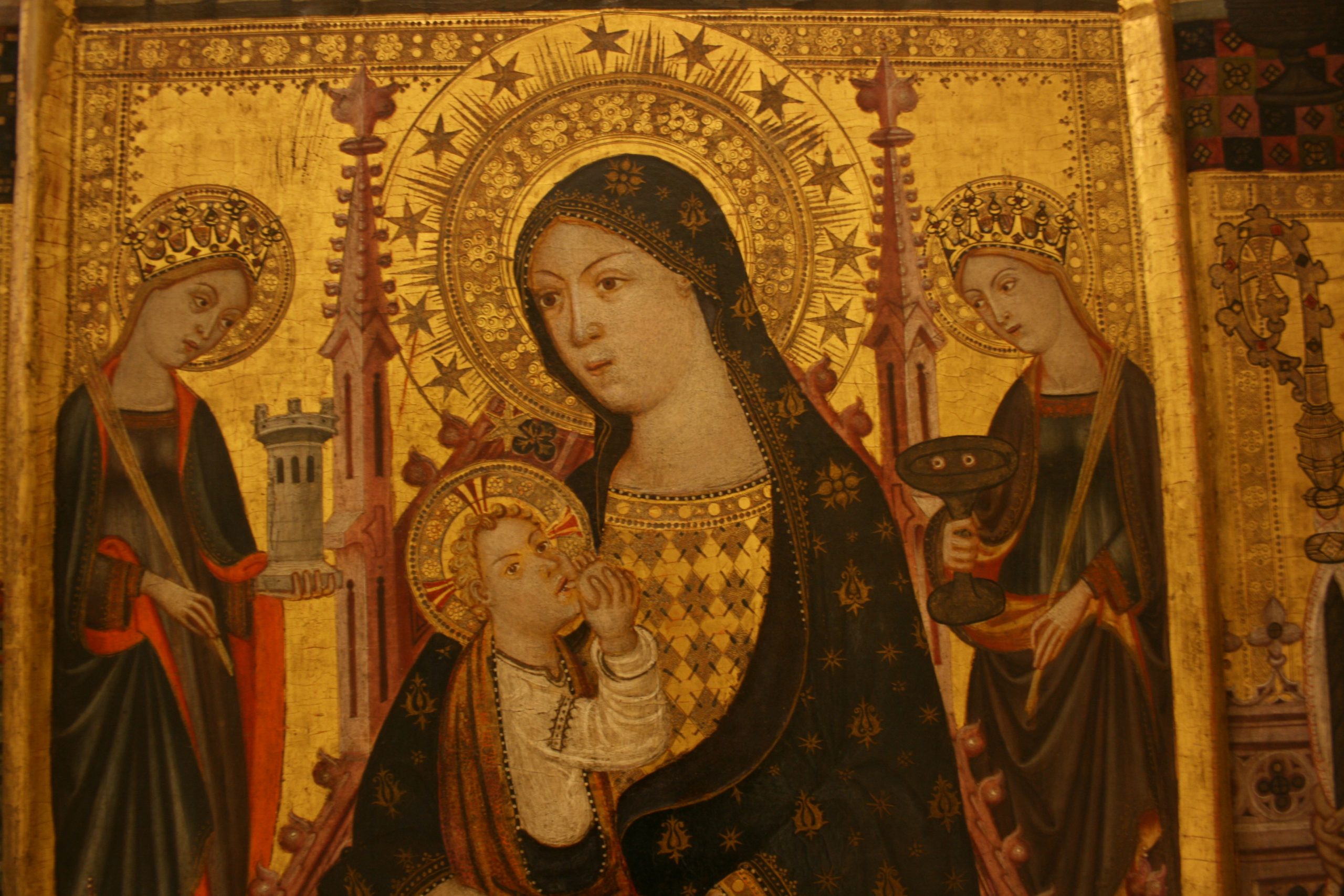
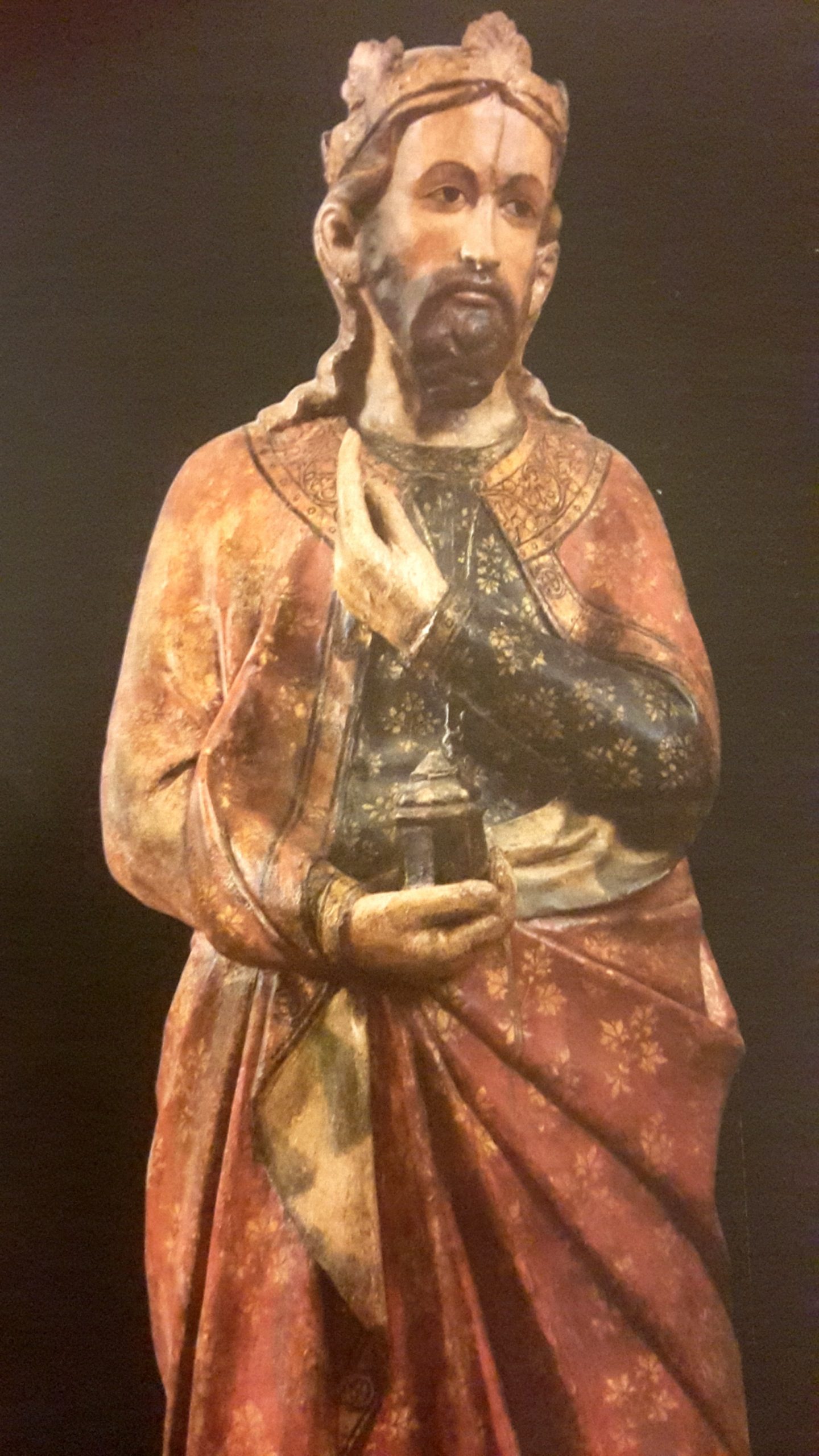
St. Bevignate in the act of blessing. Second half of the XIII century

Regarding the feast of Saint Bevignate, as noted from medieval documents  of 1342 (Statuto di Perugia), it was officially recognized on May 14.
Ettore Ricci states that: “According to tradition he was born in the last years of the fifth century, and died on May 14 of 520”. But a different date is recorded for his death in a Templar medieval manuscript, preserved in the Biblioteca Capitolare di Modena .
Curious and somewhat unusual is another event that could confirm the date of May 12 rather than the 14th.
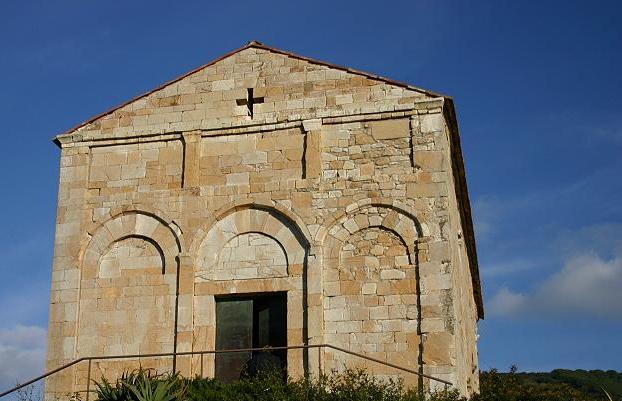
In 1260, when the construction of the new Templar church of Perugia was almost completed, the Podestà (Mayor) granted a period of “exceptional festivities” which included the suspension of all work activities for a period of 15 days, from May 4 to the 19th, which means 7 days before and 7 days after the date of the 12th. Just a coincidence?
the concession of these civic and religious festivities was supported by brother Raniero Fasani, the Perugian founder of the new Movement of Flagellants.
According to the historian Bonazzi: “The hermit Raniero Fasani passed his religious life in penitence at the suburban temple of St. Bevignate. A man appeared to him in a vision: it was St. Bevignate, another Perugian Saint, who ordered him to make public the punishments he was inflicting upon himself in secret. The same desire could have been impressed upon him by the town, considering their veneration for the saint of Perugia.”
We know that in 1260 Fasani implored the authorities of Perugia for an extension of holidays and celebrations, obtaining it until May 30. Only five days later, the city sent their first request for the canonization of Bevignate to the Pope.
All these facts are related and testify to the existence of a close relationship between the Flagellants and Knights Templars. This theory is confirmed also by a fresco painted in the apse of the templar church, which represents some penitents, half-naked, in the act of flagellating themselves. The scene was frescoed beneath that of the Last Judgment.
The veneration of the inhabitants of Perugia for Bevignate remained unchanged for many centuries, as certainly demonstrated in the seventeenth century by the magnificent and spectacular procession held in Perugia in 1609, on May 17, on the occasion of the translatio (transfer) of the sacred relics of St. Ercolano, St. Pietro Vincioli and St. Bevignate.

Antonella Bazzoli – 10/13/2008 
Tags: Flagellants, Perugia, St. Bevignate, Templars

Tags: FlagellantsKnights templarModenaPerugia
ShareTweet

Antonella Bazzoli

Next Post
Da Gesù a Francesco: “Pace a questa casa”

Da Gesù a Francesco: "Pace a questa casa"

ARTICOLI RECENTI

Da Gesù a Francesco: “Pace a questa casa”

Da Gesù a Francesco: “Pace a questa casa”

27/02/2026
Le seconde nozze di Federico II

Le seconde nozze di Federico II

27/02/2026
Babbo Natale, San Nicola e il solstizio invernale

Babbo Natale, San Nicola e il solstizio invernale

27/02/2026

Il fiore della vita, simbolo universale di geometria sacra

19/02/2026

Evus: “Eventi di Valorizzazione dell’Umbria Storica”. L’aspirazione del portale è contribuire senza scopo di lucro alla promozione, valorizzazione e tutela del territorio e del patrimonio culturale italiano, non solo attraverso articoli, conferenze e visite guidate, ma anche con la progettazione di eventi e convegni.

Categorie

  • Antiquae gentes
  • Apocalypsis
  • Archeologia
  • Calendario e Tradizione
  • Conferenze e Convegni
  • Culti e devozione
  • Donne e dee
  • Eventi
  • Homo faber
  • International edition
  • Itinerari
  • Itinerari guidati
  • L'Arte e le Arti
  • Medioevo
  • Mitologia
  • Notizie inedite
  • Racconti e poesie
  • Simboli e Icone
  • Sovrani, santi ed eroi
  • Storia antica
  • Ultime scoperte
  • Vision and mission

ARTICOLI RECENTI

Da Gesù a Francesco: “Pace a questa casa”

Da Gesù a Francesco: “Pace a questa casa”

27/02/2026
Le seconde nozze di Federico II

Le seconde nozze di Federico II

27/02/2026
Babbo Natale, San Nicola e il solstizio invernale

Babbo Natale, San Nicola e il solstizio invernale

27/02/2026

Il fiore della vita, simbolo universale di geometria sacra

19/02/2026

Welcome Back!

Login to your account below

Forgotten Password?

Retrieve your password

Please enter your username or email address to reset your password.

Log In
No Result
View All Result
  • Home
  • Notizie inedite
  • Ultime scoperte
  • Rivelazioni
  • Eventi
  • Info e contatti
    • About me
    • contacts
    • copyright
    • credits
    • link utili
  • International edition

© 2025 JNews - Premium WordPress news & magazine theme by Jegtheme.