sabato, Dicembre 13, 2025
No Result
View All Result
  • Login
evus.it
  • Home
  • News
    • All
    • Blow up
    • Grandangolo
    • Reportage
    • Ritratto
    • Visite Guidate
    • Zoom
    Babbo Natale, San Nicola e il solstizio invernale

    Babbo Natale, San Nicola e il solstizio invernale

    Da Gesù a Francesco: “Pace a questa casa”

    Da Gesù a Francesco: “Pace a questa casa”

    Le seconde nozze di Federico II

    Le seconde nozze di Federico II

    Vel Rafi. Ritratto di un architetto etrusco

    Vel Rafi. Ritratto di un architetto etrusco

    Meretrici e lavatrici di capeta

    “Maddalena, non mi toccare”

    Meretrici e lavatrici di capeta

    Veronica, Berenice e la Vera Icona

  • Il Terzo Occhio
    • All
    • Itinerari di Evus
    • Racconti di Evus
    • Scoperte di Evus
    Da Gesù a Francesco: “Pace a questa casa”

    Da Gesù a Francesco: “Pace a questa casa”

    Le seconde nozze di Federico II

    Le seconde nozze di Federico II

    Quando Perugia guardava ad Oriente

    Quando Perugia guardava ad Oriente

    Visita Guidata a Perugia:  L’Arte tra Medioevo e Rinascimento

    La fontana delle donne

    La salvezza nel tempio dell’Angelo

    Le misteriose iscrizioni del Tempio Sant’Angelo

    Una scultura di Federico II ad Assisi?

    Una scultura di Federico II ad Assisi?

  • Convegni
    • All
    • in Italia
    Un disegno di pace da Francesco a Federico II

    L’incontro di san Francesco e il Sultano. Anno Domini 1219

    Convegno su Frate Elia il 28 e il 29 giugno a Cortona

    Convegno su Frate Elia il 28 e il 29 giugno a Cortona

    L’incontro di san Francesco e il Sultano. Anno Domini 1219

    Francesco e Federico II alla corte del Sultano. Conferenza a Perugia.

    A Fabriano il Natale in simboli

    Aspettando i Re Magi…

    Successo per il convegno su Francesco, Federico II e frate Elia

    Successo per il convegno su Francesco, Federico II e frate Elia

    Francesco, Federico II, Frate Elia. Convegno ad Assisi

    Il convegno su Francesco, Federico II e frate Elia

  • Visite guidate
  • Info e contatti
    • About me
    • contacts
    • copyright
    • credits
    • link utili
  • LIFTING THE VEIL

    For those who want to get off the beaten path…

    Il culto delle sante galattofore

    February, women and therapeutic waters

    The flower of life

    Medieval parchments

    Medieval parchments

    Il mistero del capitello di Spoleto

    A mystery in the crypt

    Butchers, surgeons and charlatans

    Butchers, surgeons and charlatans

evus.it
  • Home
  • News
    • All
    • Blow up
    • Grandangolo
    • Reportage
    • Ritratto
    • Visite Guidate
    • Zoom
    Babbo Natale, San Nicola e il solstizio invernale

    Babbo Natale, San Nicola e il solstizio invernale

    Da Gesù a Francesco: “Pace a questa casa”

    Da Gesù a Francesco: “Pace a questa casa”

    Le seconde nozze di Federico II

    Le seconde nozze di Federico II

    Vel Rafi. Ritratto di un architetto etrusco

    Vel Rafi. Ritratto di un architetto etrusco

    Meretrici e lavatrici di capeta

    “Maddalena, non mi toccare”

    Meretrici e lavatrici di capeta

    Veronica, Berenice e la Vera Icona

  • Il Terzo Occhio
    • All
    • Itinerari di Evus
    • Racconti di Evus
    • Scoperte di Evus
    Da Gesù a Francesco: “Pace a questa casa”

    Da Gesù a Francesco: “Pace a questa casa”

    Le seconde nozze di Federico II

    Le seconde nozze di Federico II

    Quando Perugia guardava ad Oriente

    Quando Perugia guardava ad Oriente

    Visita Guidata a Perugia:  L’Arte tra Medioevo e Rinascimento

    La fontana delle donne

    La salvezza nel tempio dell’Angelo

    Le misteriose iscrizioni del Tempio Sant’Angelo

    Una scultura di Federico II ad Assisi?

    Una scultura di Federico II ad Assisi?

  • Convegni
    • All
    • in Italia
    Un disegno di pace da Francesco a Federico II

    L’incontro di san Francesco e il Sultano. Anno Domini 1219

    Convegno su Frate Elia il 28 e il 29 giugno a Cortona

    Convegno su Frate Elia il 28 e il 29 giugno a Cortona

    L’incontro di san Francesco e il Sultano. Anno Domini 1219

    Francesco e Federico II alla corte del Sultano. Conferenza a Perugia.

    A Fabriano il Natale in simboli

    Aspettando i Re Magi…

    Successo per il convegno su Francesco, Federico II e frate Elia

    Successo per il convegno su Francesco, Federico II e frate Elia

    Francesco, Federico II, Frate Elia. Convegno ad Assisi

    Il convegno su Francesco, Federico II e frate Elia

  • Visite guidate
  • Info e contatti
    • About me
    • contacts
    • copyright
    • credits
    • link utili
  • LIFTING THE VEIL

    For those who want to get off the beaten path…

    Il culto delle sante galattofore

    February, women and therapeutic waters

    The flower of life

    Medieval parchments

    Medieval parchments

    Il mistero del capitello di Spoleto

    A mystery in the crypt

    Butchers, surgeons and charlatans

    Butchers, surgeons and charlatans

No Result
View All Result
Plugin Install : Cart Icon need WooCommerce plugin to be installed.
evus.it
No Result
View All Result

Hairdressers and prostitutes in the Middle Ages

by Antonella Bazzoli
16/05/2021
in LIFTING THE VEIL
0 0
0
Home LIFTING THE VEIL

The term lavatrice di capeta (hair washer)  referred to what we would now call a hairdresser for ladies and gentlemen in the Middle Ages.
It was a perfectly respectable profession that was nonetheless frowned upon by late medieval society.
Taking care of hairstyles for gentlemen was in fact considered so intimate and promiscuous as an activity, that it was compared to the activities of a prostitute.
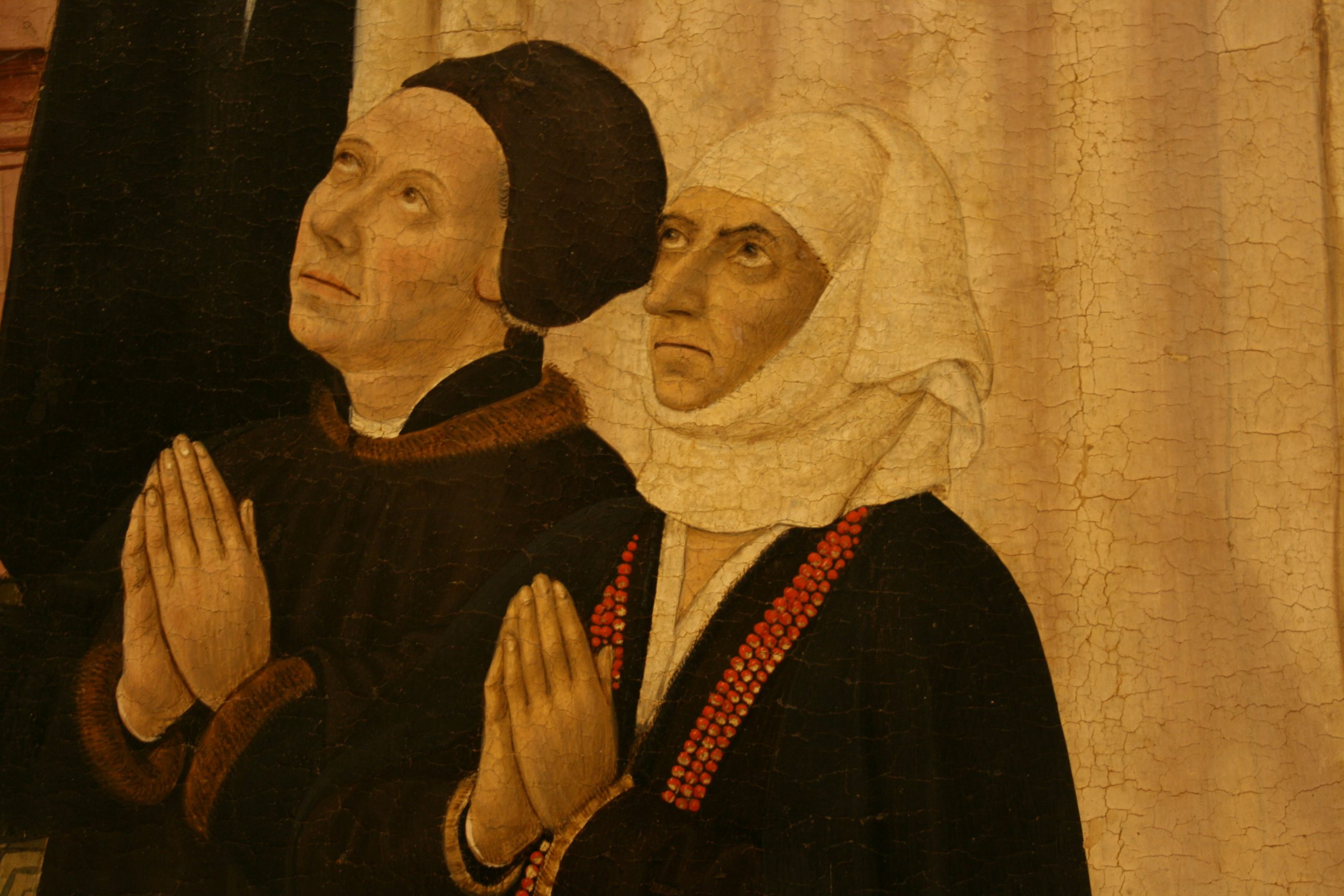

Why would there be so much contempt for a useful and respectable trade such as someone who washes the heads of others?
Perhaps the hands of the medieval hairdresser were not limited to washing hair?
It’s easy to imagine how this activity which inevitably involved a woman’s hands touching the scalp of a man, could have been interpreted as being an intimate gesture, similar to that of a massage charged with eroticism and sensuality.
Nor should we forget that in the Middle Ages there were many clergymen and preachers who were quick to judge as immoral and sinful any profession that might have focused on the care of the body, especially if it was characterized by any kind of physical contact between men and women.
In fact, prostitutes and hairdressers for gentlemen (lavatrice di capeta) ended up being considered synonymously, so that the two different terms began to have a similar meaning and therefore began to be used interchangeably.
This is how the term lavatrice di capeta came to designate the women of loose virtue, thought of as prostitutes, who were tolerated in the brothels of the city, but were marginalized by the civil community and judged sinners by the clergymen.

All this is testified to by an article of the medieval “Statuto del Comune del Popolo di Perugia” (Statute of the Commune of Perugia) which consists of a set of articles that were used to administer the city.

“No harlot, or whore, or lavatrice di capeta may dwell less than ten houses away from the church of the blessed Ercolano (patron saint of Perugia), or any other churches in the city of Perugia (…) nor may anyone rent them a home in those places.  And whosoever shall disobey the law, whether it be one of the harlots themselves or someone who rented the house to them, they will be punished with a fine of 50 monetary libre [1] (…) and everyone can be an accuser “. [2]
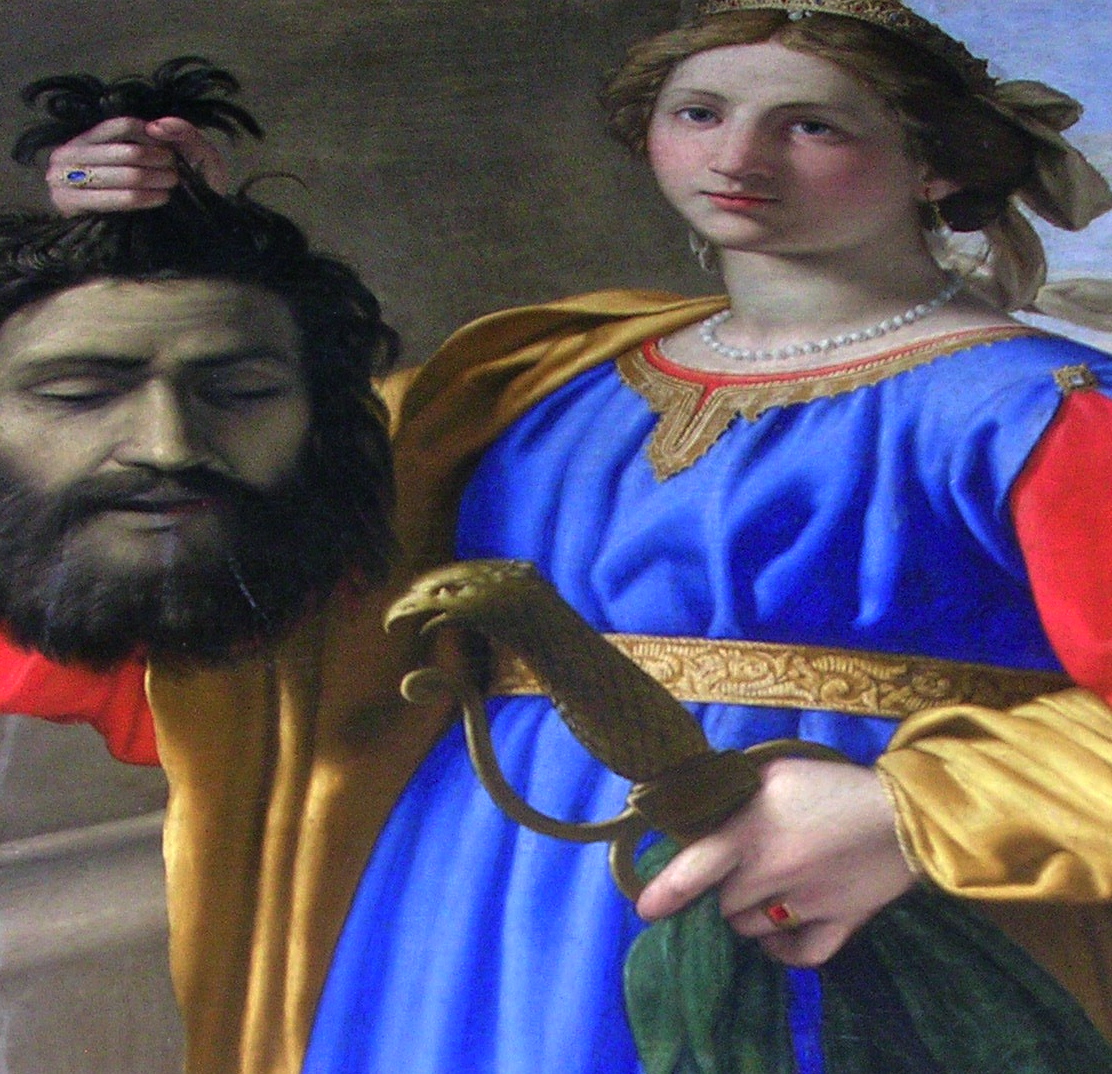

Upon analysis of the text of 1342, there arise several points for reflection. We note that within the city walls of the medieval  Commune (the towns in medieval western Europe became a Comune when they acquired self-governing municipal institutions) a woman was allowed to carry on her business as a prostitute in a brothel: any owner was in fact free to assign the lease to a harlot, a home where she could freely carry out her services,  provided it was sufficiently far away from places of worship. The Statute of the fourteenth century similarly enabled the so-called lavatrice di capeta to wash the heads of their customers in their own home, but only on condition that the dwelling was of a distance of at least ten houses from churches or other places considered sacred.

This shows an undoubtedly very tolerant attitude towards prostitution, despite the implications of the ghettoising mentality which strictly forbade the holding of promiscuous activities in the vicinity of the city’s churches.  Analysis of this text also seems to imply that women who were judged to be of ill-repute would also be similarly barred from dwelling near religious places!
In short: the offense consisted neither of prostitution in brothels nor in the renting of prostitution brothels.  On the contrary: the brothels were legal as were the prostitutes, who were vulnerable and un-protected, and may even have been defended by the city magistrates.

Antonella Bazzoli – translated by Lynn De La Torre (May 2013)

[1] The term comes from libra (Latin term for balance) which was an ancient Roman unit of mass, equivalent to approximately 328 grams.

[2] Book IV 132.1, Statuto del Comune del Popolo di Perugia del 1342 in volgare, edizione critica a cura di Mahmoud Salem Elsheikh, Deputazione di Storia Patria per l’Umbria, Perugia 2000

ShareTweet

Antonella Bazzoli

Next Post
C’era una volta Angizia

Three concentric squares, from the Druids to the Knights Templar

  • Trending
  • Comments
  • Latest
Da Gesù a Francesco: “Pace a questa casa”

Da Gesù a Francesco: “Pace a questa casa”

26/11/2025
La Verità e la Menzogna

La Verità e la Menzogna

31/01/2023
L’ottavo giorno, simbolo della resurrezione di Cristo

The mystery of Greek inscriptions in the Temple

21/05/2021

The Tree of Life is within us

16/05/2021
La Corsa dei Ceri e le Tavole Eugubine

La Corsa dei Ceri e le Tavole Eugubine

0
Visita Guidata a Perugia:  L’Arte tra Medioevo e Rinascimento

La fontana delle donne

0
Il mistero del capitello di Spoleto

Il mistero del capitello di Spoleto

0
Sum ergo cogito

Sum ergo cogito

0
Babbo Natale, San Nicola e il solstizio invernale

Babbo Natale, San Nicola e il solstizio invernale

26/11/2025
Da Gesù a Francesco: “Pace a questa casa”

Da Gesù a Francesco: “Pace a questa casa”

26/11/2025

Il fiore della vita, simbolo universale di geometria sacra

05/11/2025
Le seconde nozze di Federico II

Le seconde nozze di Federico II

05/11/2025
evus.it

We bring you the best Premium WordPress Themes that perfect for news, magazine, personal blog, etc.

Read more

Categories

  • Antiquae gentes
  • Apocalypsis
  • Asherah
  • Blow up
  • Convegni
  • Eros e Psyche
  • Grandangolo
  • Homo faber
  • in Italia
  • Itinerari di Evus
  • la Croce e la Spada
  • LIFTING THE VEIL
  • News
  • Racconti di Evus
  • Reportage
  • Ritratto
  • Scoperte di Evus
  • scoperte di evus
  • Simbolica-mente
  • Uncategorized
  • Uomini e Miti
  • Visite Guidate
  • Zoom

Tags

amor cortese arcangelo Michele archeologia cristiana arte gotica Assisi calendari Chiusi culti precristiani culto micaelico dicembre donna nel medioevo Etruschi febbraio Federico II Fontana Maggiore frate Elia Giovanni e Nicola Pisano graffiti Gubbio iconografia Iside Isola d'Elba maggio Main Fountain medioevo Mikael Natale nomina sacra PASQUA Perugia popoli italici San Bevignate San Francesco San Michele arcangelo santi patroni simboli medievali solstizio d'inverno Spello templari tradizioni folkloriche Umbria uxor vangeli apocrifi via Flaminia zoologia fantastica

Recent News

Babbo Natale, San Nicola e il solstizio invernale

Babbo Natale, San Nicola e il solstizio invernale

26/11/2025
Da Gesù a Francesco: “Pace a questa casa”

Da Gesù a Francesco: “Pace a questa casa”

26/11/2025

Welcome Back!

Login to your account below

Forgotten Password?

Retrieve your password

Please enter your username or email address to reset your password.

Log In
No Result
View All Result
  • Blog
  • Carrello
  • Contact
  • Contact Us
  • Contacts
  • COOKIE
  • Home
  • Home
  • Home 1
  • Home 2
  • Home 4
  • Home 5
  • Home Inglese
  • Il mio account
  • Layout
  • News
    • Blow Up
    • Editoriale
    • Grandangolo
    • Reportage
    • Ritratto
    • Zoom
  • Pagamento
  • PRIVACY
  • Shop
  • Rivelazioni
    • Anakalypsis
    • Antiquae gentes
    • Asherah
    • Eros e Psyche
    • Homo faber
    • la Croce e la Spada
    • Simbolica-mente
    • Uomini e Miti
  • Il Terzo Occhio
    • gli Itinerari di Evus
    • i Racconti di Evus
    • le Scoperte di Evus
  • Agenda
    • in Italia
    • nel Mondo
  • Private tours in Umbria with Antonella
  • Il guardiano del faro
  • Evus
    • About me
    • contacts
    • copyright
    • credits
    • link utili

© 2025 JNews - Premium WordPress news & magazine theme by Jegtheme.