
sabato, Dicembre 13, 2025
No Result
View All Result
  • Login
evus.it
  • Home
  • News
    • All
    • Blow up
    • Grandangolo
    • Reportage
    • Ritratto
    • Visite Guidate
    • Zoom
    Babbo Natale, San Nicola e il solstizio invernale

    Babbo Natale, San Nicola e il solstizio invernale

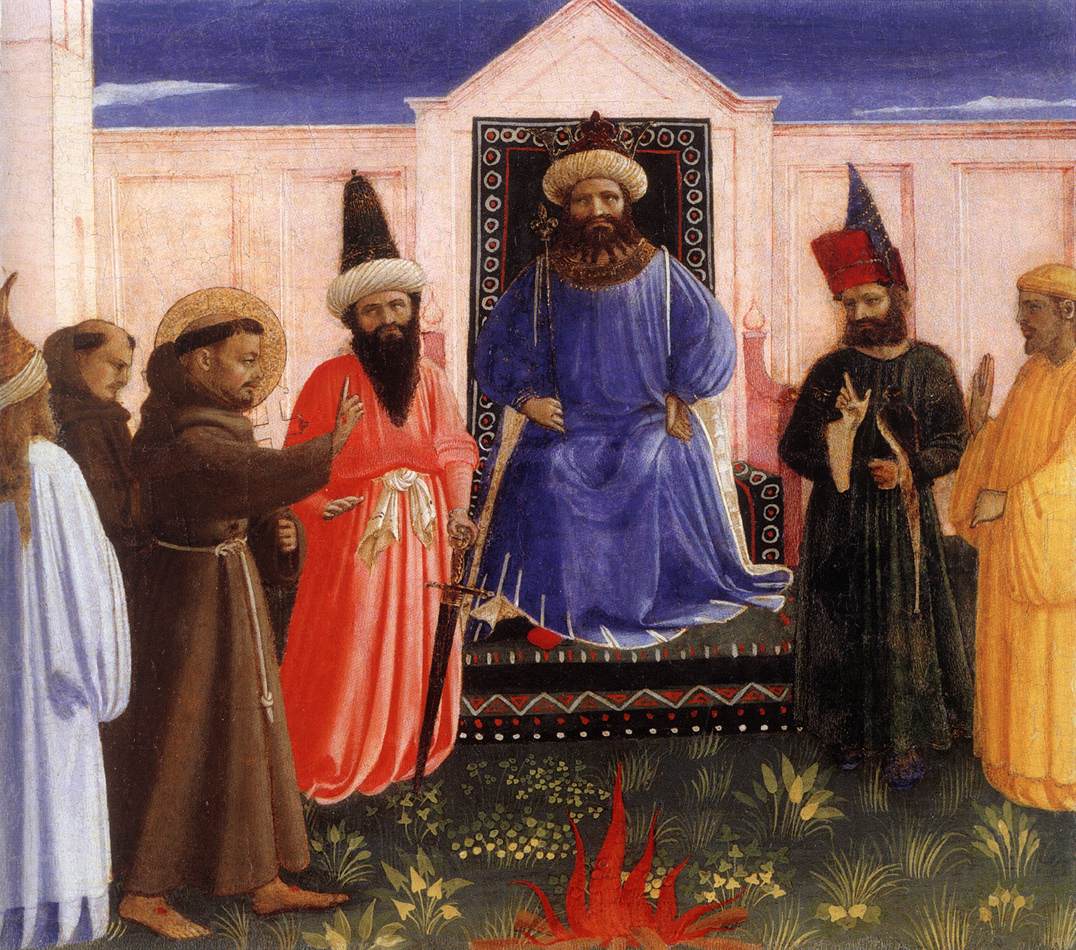
    Da Gesù a Francesco: “Pace a questa casa”

    Da Gesù a Francesco: “Pace a questa casa”

    Le seconde nozze di Federico II

    Le seconde nozze di Federico II

    Vel Rafi. Ritratto di un architetto etrusco

    Vel Rafi. Ritratto di un architetto etrusco

    Meretrici e lavatrici di capeta

    “Maddalena, non mi toccare”

    Meretrici e lavatrici di capeta

    Veronica, Berenice e la Vera Icona

  • Il Terzo Occhio
    • All
    • Itinerari di Evus
    • Racconti di Evus
    • Scoperte di Evus
    Da Gesù a Francesco: “Pace a questa casa”

    Da Gesù a Francesco: “Pace a questa casa”

    Le seconde nozze di Federico II

    Le seconde nozze di Federico II

    Quando Perugia guardava ad Oriente

    Quando Perugia guardava ad Oriente

    Visita Guidata a Perugia:  L’Arte tra Medioevo e Rinascimento

    La fontana delle donne

    La salvezza nel tempio dell’Angelo

    Le misteriose iscrizioni del Tempio Sant’Angelo

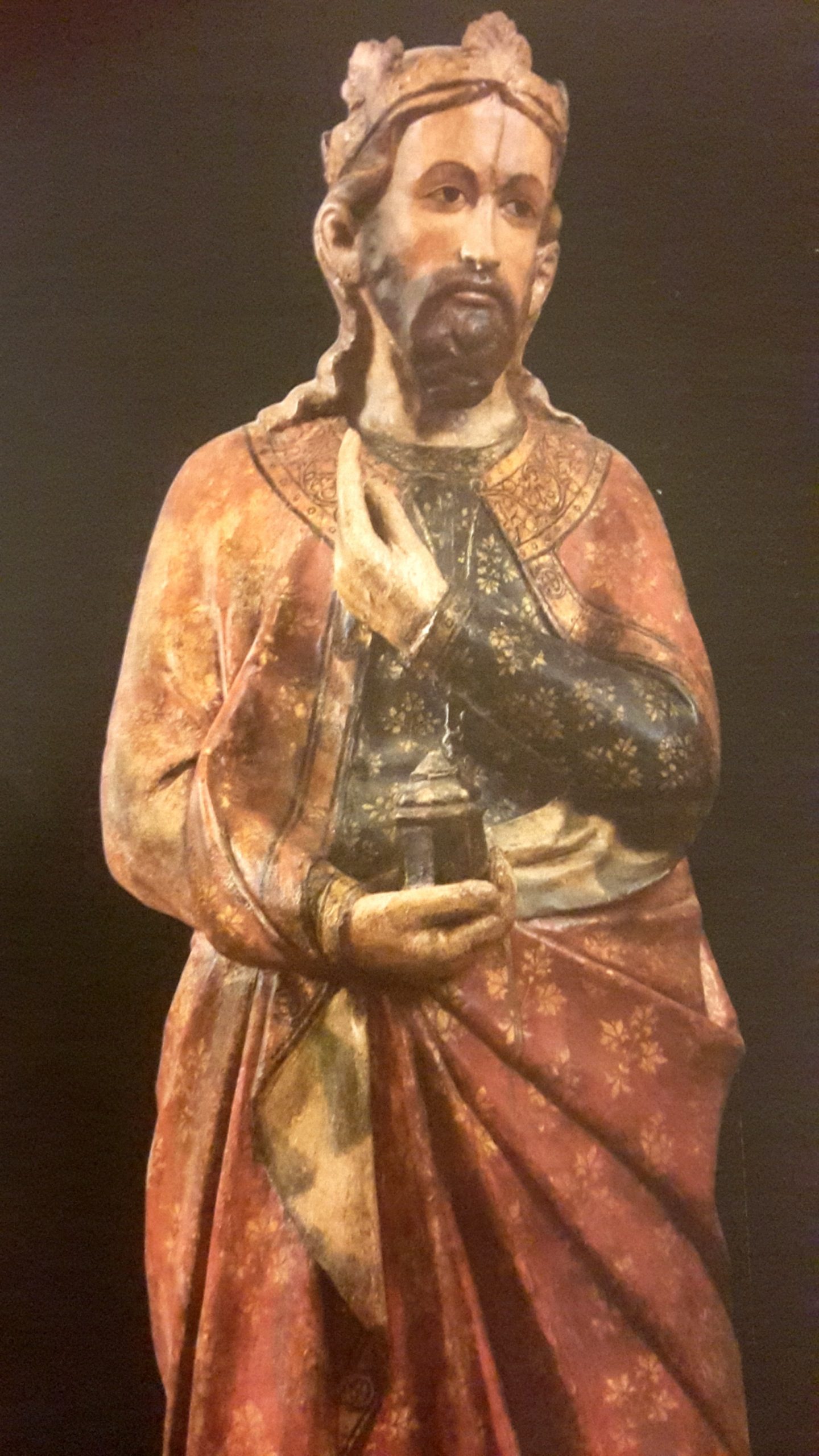
    Una scultura di Federico II ad Assisi?

    Una scultura di Federico II ad Assisi?

  • Convegni
    • All
    • in Italia
    Un disegno di pace da Francesco a Federico II

    L’incontro di san Francesco e il Sultano. Anno Domini 1219

    Convegno su Frate Elia il 28 e il 29 giugno a Cortona

    Convegno su Frate Elia il 28 e il 29 giugno a Cortona

    L’incontro di san Francesco e il Sultano. Anno Domini 1219

    Francesco e Federico II alla corte del Sultano. Conferenza a Perugia.

    A Fabriano il Natale in simboli

    Aspettando i Re Magi…

    Successo per il convegno su Francesco, Federico II e frate Elia

    Successo per il convegno su Francesco, Federico II e frate Elia

    Francesco, Federico II, Frate Elia. Convegno ad Assisi

    Il convegno su Francesco, Federico II e frate Elia

  • Visite guidate
  • Info e contatti
    • About me
    • contacts
    • copyright
    • credits
    • link utili
  • LIFTING THE VEIL

    For those who want to get off the beaten path…

    Il culto delle sante galattofore

    February, women and therapeutic waters

    The flower of life

    Medieval parchments

    Medieval parchments

    Il mistero del capitello di Spoleto

    A mystery in the crypt

    Butchers, surgeons and charlatans

    Butchers, surgeons and charlatans

evus.it
  • Home
  • News
    • All
    • Blow up
    • Grandangolo
    • Reportage
    • Ritratto
    • Visite Guidate
    • Zoom
    Babbo Natale, San Nicola e il solstizio invernale

    Babbo Natale, San Nicola e il solstizio invernale

    Da Gesù a Francesco: “Pace a questa casa”

    Da Gesù a Francesco: “Pace a questa casa”

    Le seconde nozze di Federico II

    Le seconde nozze di Federico II

    Vel Rafi. Ritratto di un architetto etrusco

    Vel Rafi. Ritratto di un architetto etrusco

    Meretrici e lavatrici di capeta

    “Maddalena, non mi toccare”

    Meretrici e lavatrici di capeta

    Veronica, Berenice e la Vera Icona

  • Il Terzo Occhio
    • All
    • Itinerari di Evus
    • Racconti di Evus
    • Scoperte di Evus
    Da Gesù a Francesco: “Pace a questa casa”

    Da Gesù a Francesco: “Pace a questa casa”

    Le seconde nozze di Federico II

    Le seconde nozze di Federico II

    Quando Perugia guardava ad Oriente

    Quando Perugia guardava ad Oriente

    Visita Guidata a Perugia:  L’Arte tra Medioevo e Rinascimento

    La fontana delle donne

    La salvezza nel tempio dell’Angelo

    Le misteriose iscrizioni del Tempio Sant’Angelo

    Una scultura di Federico II ad Assisi?

    Una scultura di Federico II ad Assisi?

  • Convegni
    • All
    • in Italia
    Un disegno di pace da Francesco a Federico II

    L’incontro di san Francesco e il Sultano. Anno Domini 1219

    Convegno su Frate Elia il 28 e il 29 giugno a Cortona

    Convegno su Frate Elia il 28 e il 29 giugno a Cortona

    L’incontro di san Francesco e il Sultano. Anno Domini 1219

    Francesco e Federico II alla corte del Sultano. Conferenza a Perugia.

    A Fabriano il Natale in simboli

    Aspettando i Re Magi…

    Successo per il convegno su Francesco, Federico II e frate Elia

    Successo per il convegno su Francesco, Federico II e frate Elia

    Francesco, Federico II, Frate Elia. Convegno ad Assisi

    Il convegno su Francesco, Federico II e frate Elia

  • Visite guidate
  • Info e contatti
    • About me
    • contacts
    • copyright
    • credits
    • link utili
  • LIFTING THE VEIL

    For those who want to get off the beaten path…

    Il culto delle sante galattofore

    February, women and therapeutic waters

    The flower of life

    Medieval parchments

    Medieval parchments

    Il mistero del capitello di Spoleto

    A mystery in the crypt

    Butchers, surgeons and charlatans

    Butchers, surgeons and charlatans

No Result
View All Result
Plugin Install : Cart Icon need WooCommerce plugin to be installed.
evus.it
No Result
View All Result

The legend of St. George

by Antonella Bazzoli
14/05/2021
in LIFTING THE VEIL
0 0
0
Home LIFTING THE VEIL

The legend of St. George, the holy knight who rescued the princess from the terrible dragon that threatened her, gave birth to a famous subject that was widespread within the figurative arts during the Middle Ages and the Renaissance.
The scene of the dragon slayer versus the mythical monster represents the Catholic belief in Christ’s triumph over evil, the victory over the “ancient serpent”.
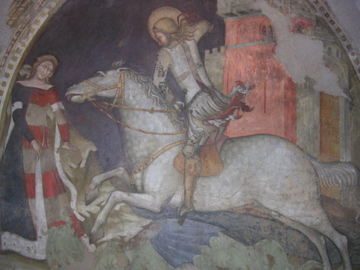

The subject, however, has not strictly grown with the spread of Christianity, but rather seems to have been assimilated into much older myths and archetypes, such as the myth of the Egyptian god Horus who, on horseback, was represented in the act of slaying tha crocodile (Seth).

The legend of St George is also linked to myths and legends of Greek origin, like the one in which Theseus is seen slaying the Minotaur, or like the legend of Hercules, who defeated the monster Hydra in his second trial.
The classic tale of the princess who is saved by the holy knight takes root rather late in the middle ages, thanks to the spread of the work “Legenda Aurea” written by Jacobus de Voragine (1228-1298). The fanciful story is set in Libya, at a large lake where a terrible dragon has been terrorizing the village. The citizens, to quench the thirst for blood of the monster and to prevent the continued poisoning of the air with its pestilential breath, had begun to offer two sheep a day at first as a sacrifice to the monster’s huge appetite, only then to be forced against their will to draw lots to sacrifice their own children to the monster for a meal. This continued until one day when the daughter of the king was chosen. But just as the princess was about to be sacrificed, a brave knight named George, a native of Cappadocia and a Roman soldier, passed by and asked the girl why she was in tears, under the watchful eye of the people, who looked on from afar. The princess, now resigned to her fate, told him to leave in a hurry or he, too, would die. But in the meantime, the dragon had been emerging from the waters of the lake. George then threw himself boldly upon the monster with his spear, wounding him seriously. The young hero then told the princess to wrap her belt around the neck of the dragon. And then the two of them made ​​their way to the village with the monster in tow, following the princess like an obedient dog. Once he was standing before the crowd George said, “Do not be afraid. Embrace the faith of Christ, and I will kill the monster.” And so he did; however, demanding in exchange for his heroic gesture that everyone, including the King, convert to Christianity and receive the baptism.
This is just one of many variants of the legend of St. George, the princess and the dragon. According to another version, a red rose would rise from the blood of the wounded dragon and St George would offer it to the princess for her collection. This is why in some European countries during the feast of St. George on April 23, men commonly give women a rose. And since UNESCO chose this date to celebrate the international book festival, every woman who receives the gift of the symbolic flower, in turn reciprocates by giving a book to a courteous knight.

di Antonella Bazzoli – April 2012 (updated in April 2014) – translated by  Lynn Della Torre

ShareTweet

Antonella Bazzoli

Next Post
L’affascinante complesso della Trinità a Venosa

L’affascinante complesso della Trinità a Venosa

  • Trending
  • Comments
  • Latest
Da Gesù a Francesco: “Pace a questa casa”

Da Gesù a Francesco: “Pace a questa casa”

26/11/2025
La Verità e la Menzogna

La Verità e la Menzogna

31/01/2023
L’ottavo giorno, simbolo della resurrezione di Cristo

The mystery of Greek inscriptions in the Temple

21/05/2021

The Tree of Life is within us

16/05/2021
La Corsa dei Ceri e le Tavole Eugubine

La Corsa dei Ceri e le Tavole Eugubine

0
Visita Guidata a Perugia:  L’Arte tra Medioevo e Rinascimento

La fontana delle donne

0
Il mistero del capitello di Spoleto

Il mistero del capitello di Spoleto

0
Sum ergo cogito

Sum ergo cogito

0
Babbo Natale, San Nicola e il solstizio invernale

Babbo Natale, San Nicola e il solstizio invernale

26/11/2025
Da Gesù a Francesco: “Pace a questa casa”

Da Gesù a Francesco: “Pace a questa casa”

26/11/2025

Il fiore della vita, simbolo universale di geometria sacra

05/11/2025
Le seconde nozze di Federico II

Le seconde nozze di Federico II

05/11/2025

Evus

Categorie

  • Antiquae gentes
  • Apocalypsis
  • Asherah
  • Blow up
  • Convegni
  • Eros e Psyche
  • Grandangolo
  • Homo faber
  • in Italia
  • Itinerari di Evus
  • la Croce e la Spada
  • LIFTING THE VEIL
  • News
  • Racconti di Evus
  • Reportage
  • Ritratto
  • Scoperte di Evus
  • scoperte di evus
  • Simbolica-mente
  • Uncategorized
  • Uomini e Miti
  • Visite Guidate
  • Zoom

Tag

amor cortese arcangelo Michele archeologia cristiana arte gotica Assisi calendari Chiusi culti precristiani culto micaelico dicembre donna nel medioevo Etruschi febbraio Federico II Fontana Maggiore frate Elia Giovanni e Nicola Pisano graffiti Gubbio iconografia Iside Isola d'Elba maggio Main Fountain medioevo Mikael Natale nomina sacra PASQUA Perugia popoli italici San Bevignate San Francesco San Michele arcangelo santi patroni simboli medievali solstizio d'inverno Spello templari tradizioni folkloriche Umbria uxor vangeli apocrifi via Flaminia zoologia fantastica

Recent News

Babbo Natale, San Nicola e il solstizio invernale

Babbo Natale, San Nicola e il solstizio invernale

26/11/2025
Da Gesù a Francesco: “Pace a questa casa”

Da Gesù a Francesco: “Pace a questa casa”

26/11/2025

Welcome Back!

Login to your account below

Forgotten Password?

Retrieve your password

Please enter your username or email address to reset your password.

Log In
No Result
View All Result
  • Blog
  • Carrello
  • Contact
  • Contact Us
  • Contacts
  • COOKIE
  • Home
  • Home
  • Home 1
  • Home 2
  • Home 4
  • Home 5
  • Home Inglese
  • Il mio account
  • Layout
  • News
    • Blow Up
    • Editoriale
    • Grandangolo
    • Reportage
    • Ritratto
    • Zoom
  • Pagamento
  • PRIVACY
  • Shop
  • Rivelazioni
    • Anakalypsis
    • Antiquae gentes
    • Asherah
    • Eros e Psyche
    • Homo faber
    • la Croce e la Spada
    • Simbolica-mente
    • Uomini e Miti
  • Il Terzo Occhio
    • gli Itinerari di Evus
    • i Racconti di Evus
    • le Scoperte di Evus
  • Agenda
    • in Italia
    • nel Mondo
  • Private tours in Umbria with Antonella
  • Il guardiano del faro
  • Evus
    • About me
    • contacts
    • copyright
    • credits
    • link utili

© 2025 JNews - Premium WordPress news & magazine theme by Jegtheme.