February is the month of mother’s milk, that has always been associated with the element water, the idea of fertility and the world of women. February is also a month of preparation, waiting for the renewal of the cosmos, which will only arrive with March and spring. Also for this reason, in ancient times, the second month of our calendar was considered to be a period of purification and expiation, useful to prepare oneself for the gradual return of light and the imminent rebirth of nature.
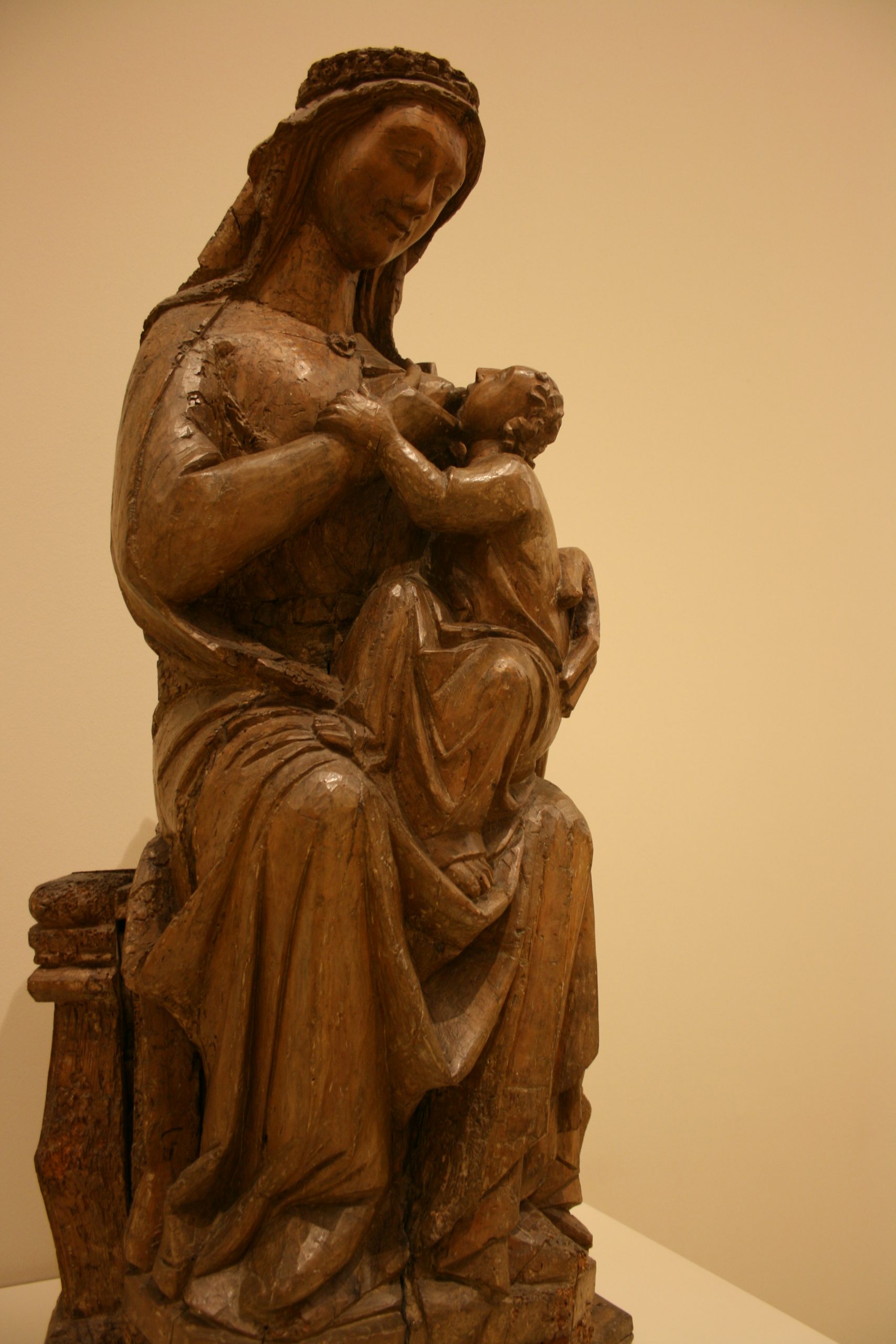
That’s why, especially in agro-pastoral environments, February was the time when people turned to the therapeutic virtues of waters that were considered to be miraculous. It is not by chance that the medieval cult of Our Lady of Milk, as well as that of the galactophorous saints (literally “ milk carriers” ), is testified in various parts of Italy and Europe, especially near grottos and therapeutic springs. These places, that were rich in healthy waters, were believed to be sacred and were visited mainly by puerperae and young women who wanted to assure themselves that they would have enough milk to appease the hunger of their children.
St. Brigid of Ireland and St. Agatha of Sicily are among the most well known galactophorous saints in Europe. However, there are many other female cults connected with virgins, saints and blessed women, such as St. Scholastica in Umbria (St. Benedict’s sister) and the virgin, Romana, who, according to tradition, lived as a hermit in a sacred grotto on Mount Soratte.
It is not by chance that all these saints, protectors of mother’s milk, are venerated in February, the month that coincides with the lamb suckling time.
The hagiographic events of some galactophorous saints are particularly rich in details and enable us to understand the great diffusion of their cults that, in some cases, have persisted from the Middle Ages to our times.
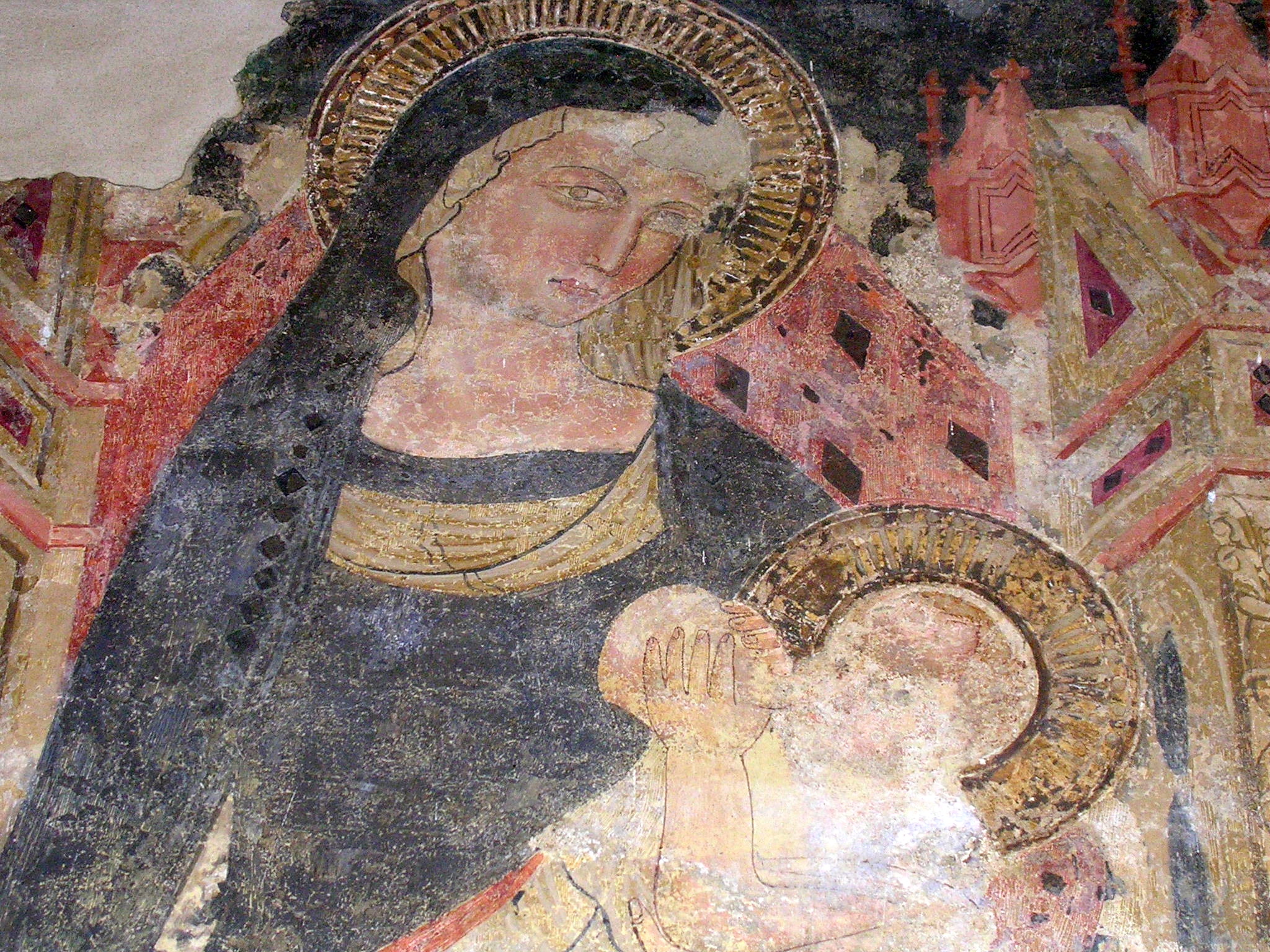
St. Brigid, in particular, is still celebrated all over Europe on the 1 February.
Brigid of Kildare, who is most popular in northern countries, was an abbess who lived in Ireland and pursued St. Patrick’s evangelizing activity.
A curious account about her relates that one day many bishops visited her in the convent she had founded. She decided to milk her only cow in the hope of being able to offer her important guests a proper welcome; miraculously the cow gave three times more milk than the animal could have normally produced. Hence she became the protector of milkmen, puerperae and livestock.
She died on the first day of February, 525, a significant and non-fortuitous date because it marks the median point between the winter solstice and the spring equinox. On this magic day, that coincides with the peak of winter, the ancient Celts used to celebrate Imbolc and the goddess Brigit.
It is evident that later those pre-christian cults were absorbed by the new cult of St. Brigid. It was not even necessary to change the goddess name: Brigit became St. Brigid and a syncretistic process transformed the pagan cult definitively into the one of the venerated Irish abbess.
Even the archaic rituals associated with the springs sacred to the goddess survived the transformation: Brigid continued to assure milk in abundance to puerperae and to shepherds who led their flocks to her sacred springs. After washing their hands and feet in the magic waters of her springs, women devoted to the Irish saint continued to tear pieces of cloth from their clothes and tie them to the nearest tree which they danced around, as prescribed in the archaic ritual, believing that by doing so they kept away every disease from the body and from the spirit.
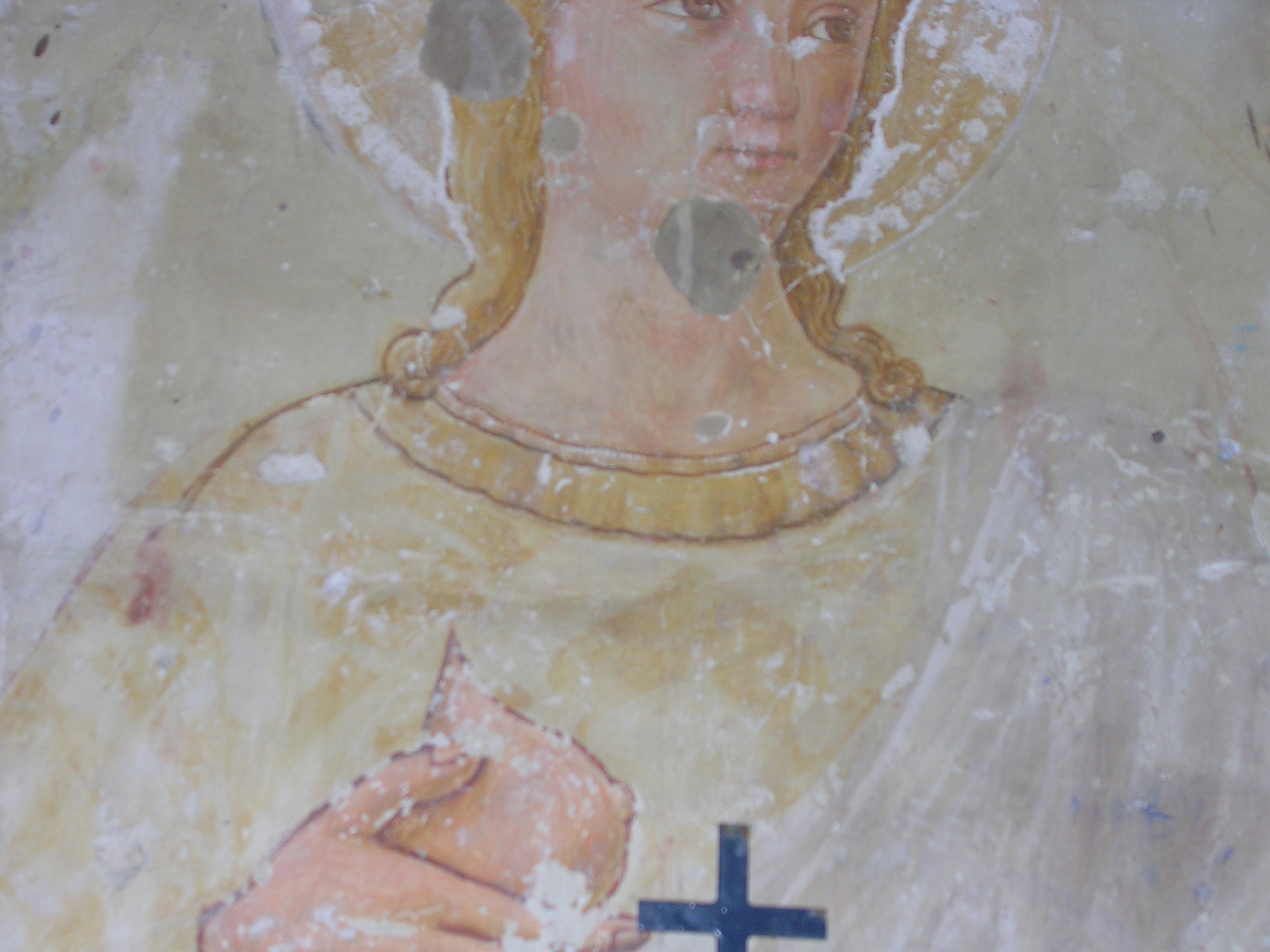
Agatha, the Sicilian martyr celebrated on 5 February, is the most venerated galactophorous saint in Italy. Also this saint, the protector of livestock and the patron saint of wet-nurses and nursing mothers, is believed to have had thaumaturgic virtues.
She died in Catania on 5 February 251 and henceforth her cult spread all over Europe.
We know that when Agatha was twenty, she already possessed a vast culture that enabled her to become a deaconess. This occurred in the first centuries of Christianity, when women were still allowed to hold important positions in the religious sphere, from which they would be excluded later on. In particular, Agatha was concerned with catechesis and prepared new followers for the sacrament of baptism. Her sacerdotal career ended abruptly due to a proconsul, named Quintian, who became infatuated with her and ordered her to reject her christian faith. Since she refused resolutely, Quintian sent her to Aphrodisia, a courtesan devoted to sacred prostitution who tried in vain to corrupt the young deaconess. Having lost all hope, Quintian had her arrested and tortured. After having her breasts cut off, she was subjected to the torment of burning coals.
That’s why many paintings representing St. Agatha show the cut off breasts, offered by the martyr on a paten, as her attribute.
Antonella Bazzoli – August 26th 2011
Translation by Patrick Raymer