giovedì, Dicembre 11, 2025
  • Shop
  • My Account
    • Cart
    • Checkout
  • Contact Us
  • Login
evus.it
  • Home
    • Home – Layout 1
    • Home – Layout 2
    • Home – Layout 3
    • Home – Layout 4
    • Home – Layout 5
No Result
View All Result
Plugin Install : Cart Icon need WooCommerce plugin to be installed.
evus.it
  • Home
    • Home – Layout 1
    • Home – Layout 2
    • Home – Layout 3
    • Home – Layout 4
    • Home – Layout 5
No Result
View All Result
Plugin Install : Cart Icon need WooCommerce plugin to be installed.
evus.it
No Result
View All Result

A mystery in the crypt

by Antonella Bazzoli
14/05/2021
in LIFTING THE VEIL
0 0
0
Home LIFTING THE VEIL

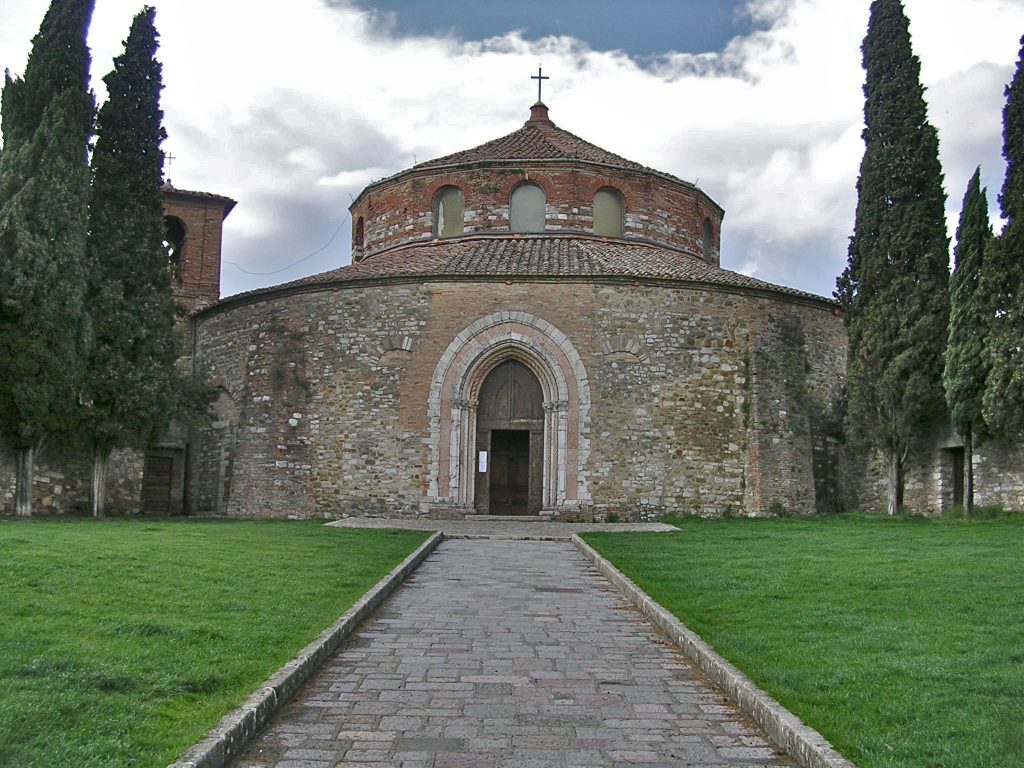
The church of St. Ponziano, built outside the medieval city walls of Spoleto and close to the paleochristian temple of St. Salvatore, is considered one of the most interesting examples of romanesque architecture in central Italy. It belonged to a benedictine abbey and was dedicated to the patron saint of Spoleto, martyred during the persecution of the christians in the second century AD.

In accordance with ancient tradition, on January 14 during the festival of St. Ponziano, the inhabitants of Spoleto will not cut bread with knives, which were the weapons used by the Romans to torture and behead the martyr.
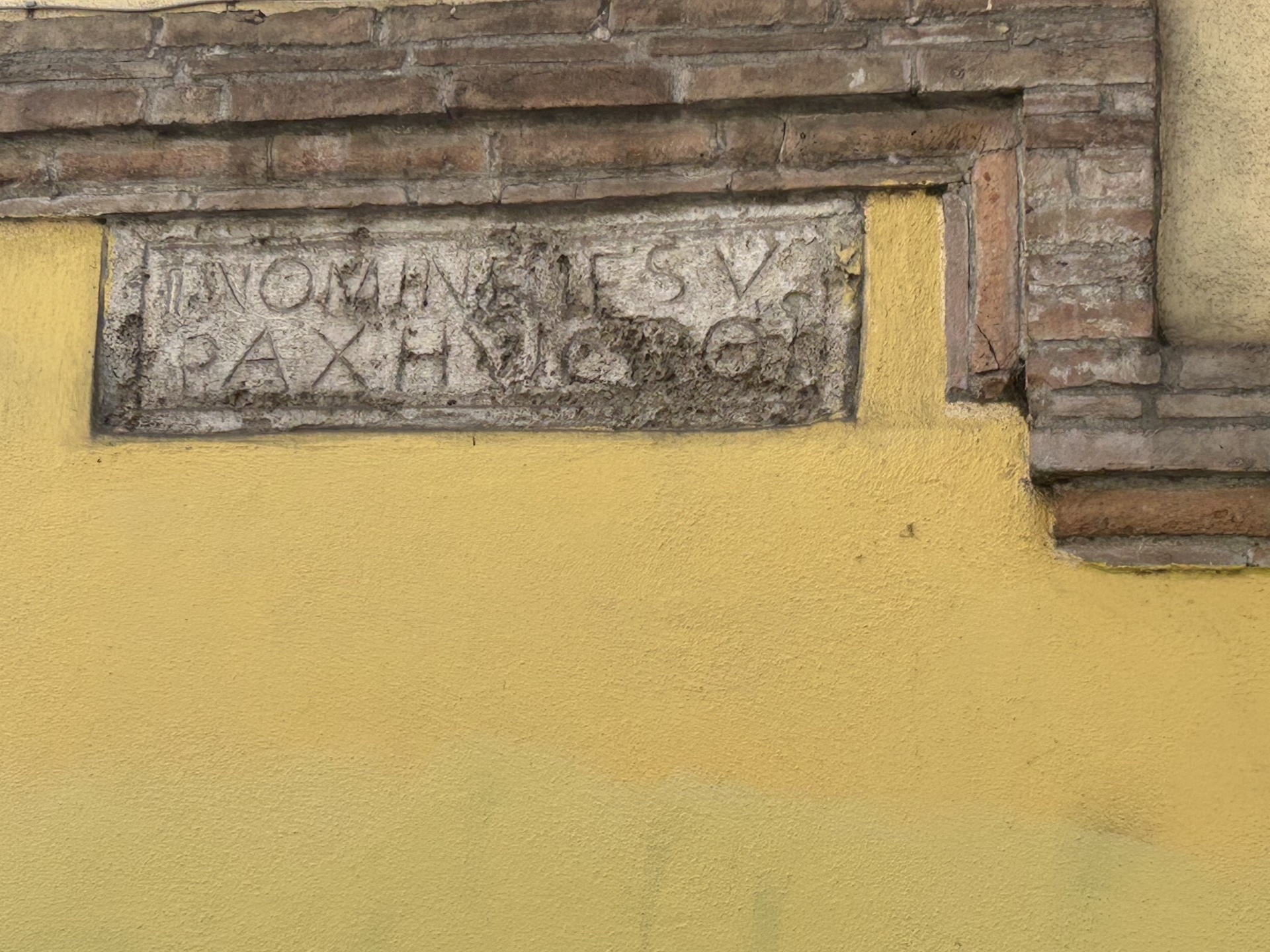
Outside the church two lions mark the entrance like guardians of a temple. Above the architrave there is an “agnus dei” (lamb of God) between a lion and an eagle, along with a Latin inscription reading: “To you who come in peace… remember that you become mud and ash, generated between tears receive begged forgiveness.” Around the rose window and accompanied by inscriptions are the traditional symbols of the four evangelists: the lion for Mark, the eagle for John, the bull for Luke, and the angel for Matthew.

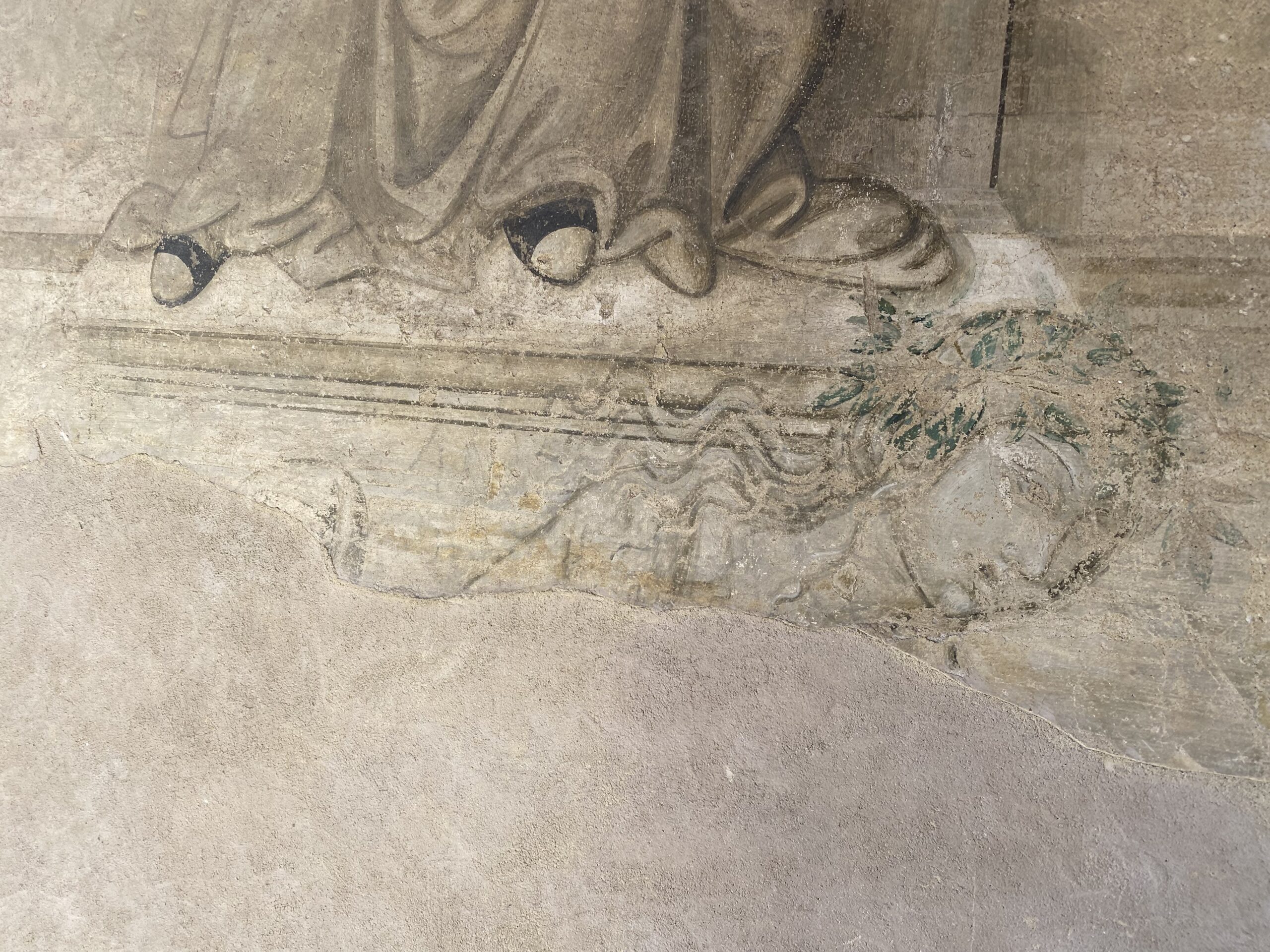
Especially worthy of a visit is the impressive crypt under the presbytery. Architecturally, there are three small aisles and five apses. On the walls, interesting fourteenth and fifteenth century frescoes still preserve signatures and symbols left by pilgrims and devotees over the centuries.
Some of the capitals and columns that support the vaults of the crypt were taken from earlier roman buildings. It was typical of those in the middle ages to use old materials and adapt them to new monuments. Columns taken from pagan temples were often used in christian churches, even if the columns could not reach the exact height of the vault of the new building, inserts were added to compensate.
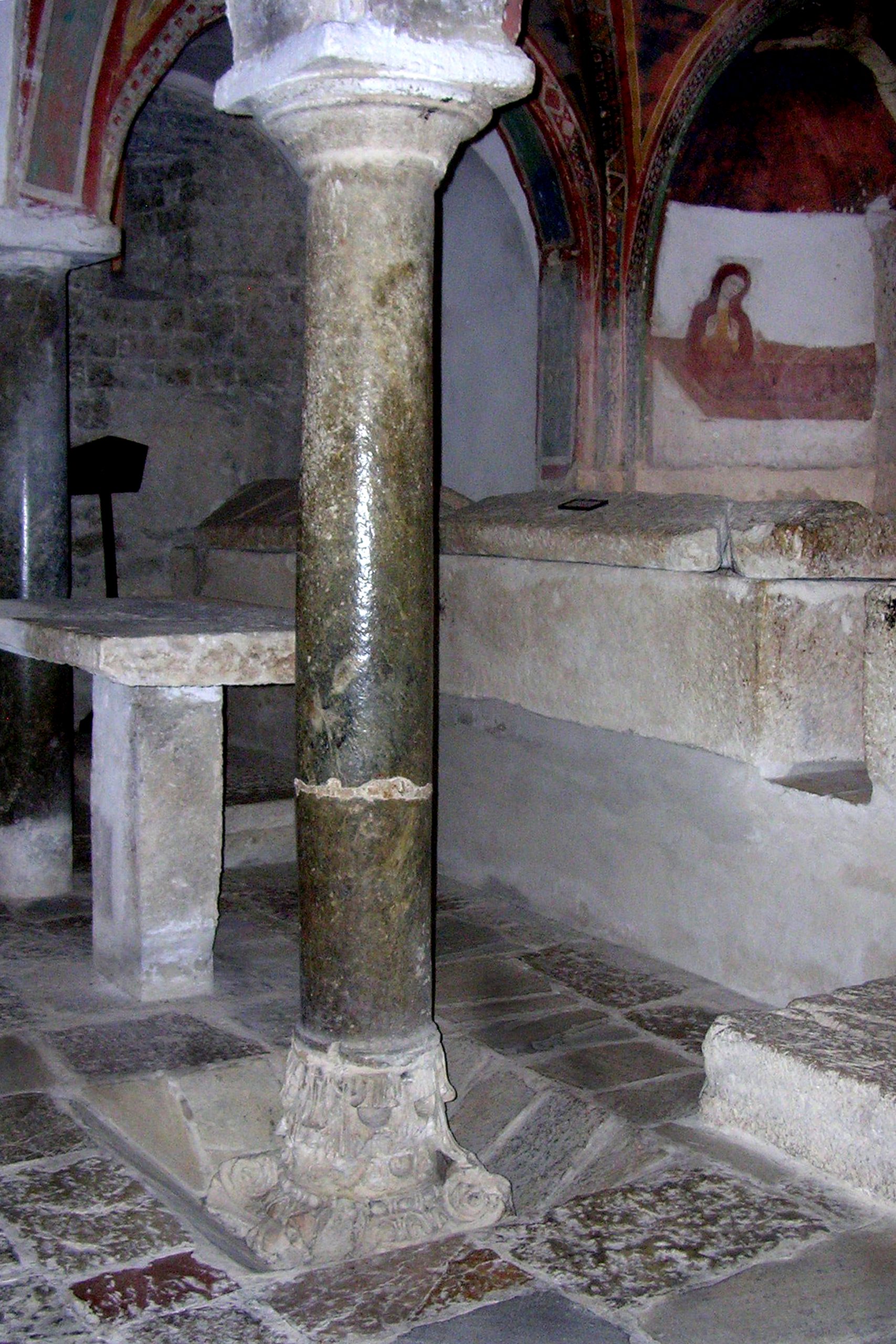
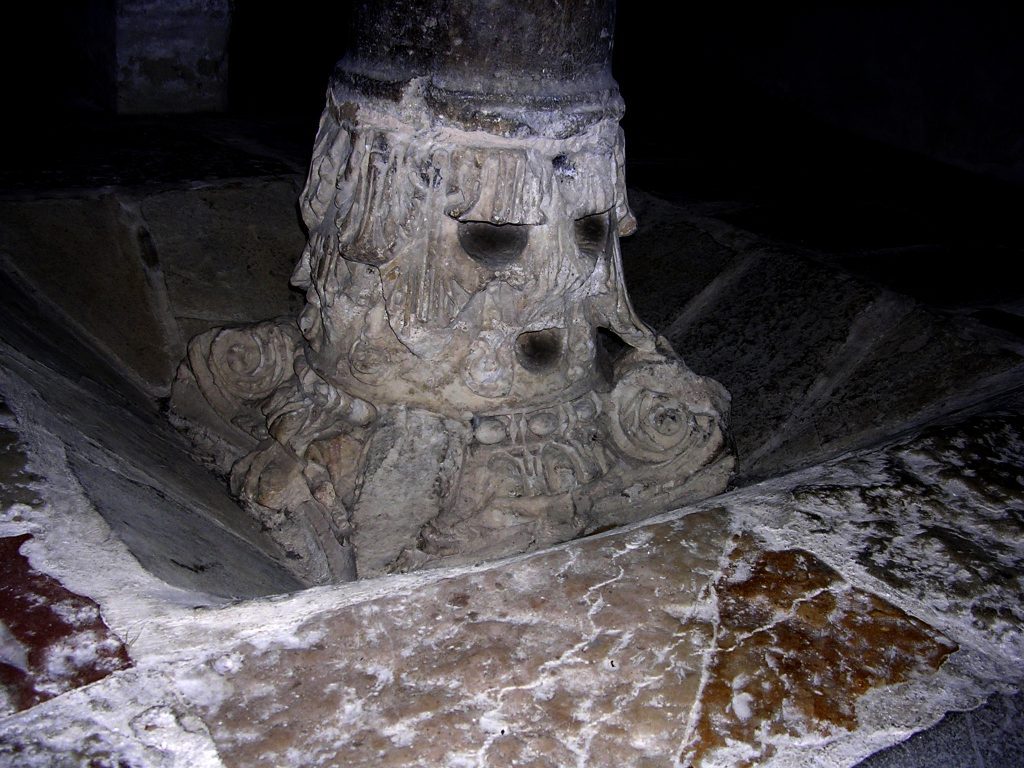
The roman capital used as basement of the column in the crypt of San Ponziano in Spoleto

But in the crypt of St. Ponziano there is a column that is different from all the others. At its base there’s a roman capital overthrown, which seems to be an architectural element of symbolic value. The capital was not modified, while the floor was adapted around the capital by digging a small artificial hole below the level of the pavement. It is a sort of concave space, which seems deliberately created under the column, maybe to indicate a special place worthy of worship or memory. Could it mark the exact place where the martyr was buried in 175 AD?
The theory would be confirmed by the fact that someone intentionally transformed the capital into a sort of face, puncturing three big holes that resemble two eyes and a mouth wide-open. The anthropomorphic aspect of the capital could represent the head of Ponziano and probably even mark the tomb of the martyr under the pavement.
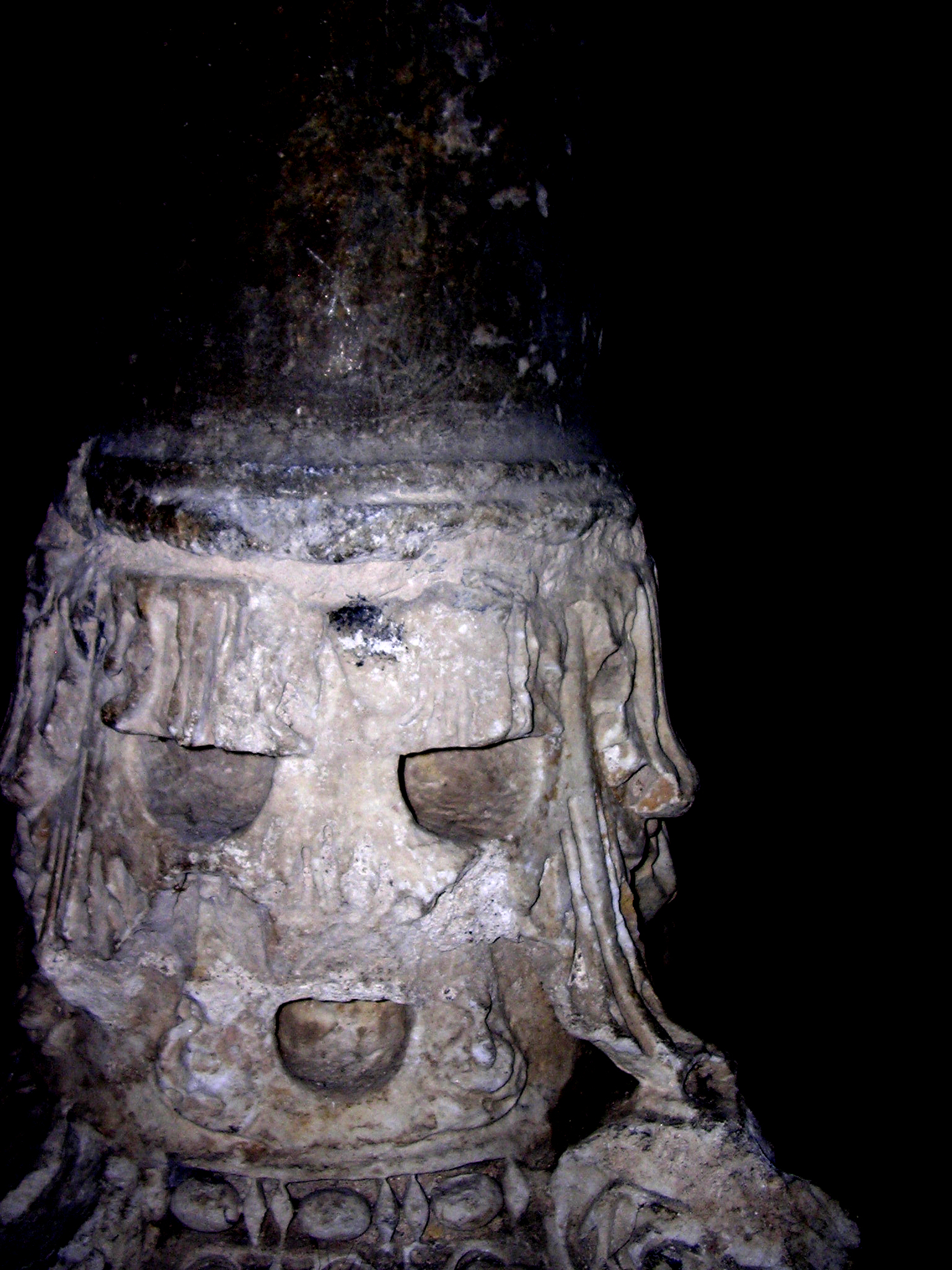
The anthropomorphic aspect of the capital could represent the head of Ponziano


Lending aid to this theory is the legend that says Ponziano was buried just outside the city and his tomb was erected in a place of worship near a monastery. No less interesting is to discover that, according to a legend, an earthquake supposedly accompanied the beheading of Ponziano, who as a result became the patron saint against earthquakes.
We know that in 1703 the first of a long series of earthquakes that struck the south of Umbria occurred during the feast of St. Ponziano on the 14th of January. In the city of Spoleto there were no victims. Since then the martyr is commonly invoked during earthquakes, as the miraculous event gave rise to a prophecy: “Spoleto will shake, but will not fall.”

Antonella Bazzoli 1/14/2009
Translated by Genna Neilson

Tags: mistery, romanesque architecture, symbols, Umbria

ShareTweet

Antonella Bazzoli

Next Post
Medieval parchments

Medieval parchments

  • Trending
  • Comments
  • Latest
Da Gesù a Francesco: “Pace a questa casa”

Da Gesù a Francesco: “Pace a questa casa”

26/11/2025
La Verità e la Menzogna

La Verità e la Menzogna

31/01/2023
L’ottavo giorno, simbolo della resurrezione di Cristo

The mystery of Greek inscriptions in the Temple

21/05/2021

The Tree of Life is within us

16/05/2021
La Corsa dei Ceri e le Tavole Eugubine

La Corsa dei Ceri e le Tavole Eugubine

0
Visita Guidata a Perugia:  L’Arte tra Medioevo e Rinascimento

La fontana delle donne

0
Il mistero del capitello di Spoleto

Il mistero del capitello di Spoleto

0
Sum ergo cogito

Sum ergo cogito

0
Babbo Natale, San Nicola e il solstizio invernale

Babbo Natale, San Nicola e il solstizio invernale

26/11/2025
Da Gesù a Francesco: “Pace a questa casa”

Da Gesù a Francesco: “Pace a questa casa”

26/11/2025

Il fiore della vita, simbolo universale di geometria sacra

05/11/2025
Le seconde nozze di Federico II

Le seconde nozze di Federico II

05/11/2025
evus.it

We bring you the best Premium WordPress Themes that perfect for news, magazine, personal blog, etc.

Read more

Categories

  • Antiquae gentes
  • Apocalypsis
  • Asherah
  • Blow up
  • Convegni
  • Eros e Psyche
  • Grandangolo
  • Homo faber
  • in Italia
  • Itinerari di Evus
  • la Croce e la Spada
  • LIFTING THE VEIL
  • News
  • Racconti di Evus
  • Reportage
  • Ritratto
  • Scoperte di Evus
  • scoperte di evus
  • Simbolica-mente
  • Uncategorized
  • Uomini e Miti
  • Visite Guidate
  • Zoom

Tags

amor cortese arcangelo Michele archeologia cristiana arte gotica Assisi calendari Chiusi culti precristiani culto micaelico dicembre donna nel medioevo Etruschi febbraio Federico II Fontana Maggiore frate Elia Giovanni e Nicola Pisano graffiti Gubbio iconografia Iside Isola d'Elba maggio Main Fountain medioevo Mikael Natale nomina sacra PASQUA Perugia popoli italici San Bevignate San Francesco San Michele arcangelo santi patroni simboli medievali solstizio d'inverno Spello templari tradizioni folkloriche Umbria uxor vangeli apocrifi via Flaminia zoologia fantastica

Recent News

Babbo Natale, San Nicola e il solstizio invernale

Babbo Natale, San Nicola e il solstizio invernale

26/11/2025
Da Gesù a Francesco: “Pace a questa casa”

Da Gesù a Francesco: “Pace a questa casa”

26/11/2025

© 2025 JNews - Premium WordPress news & magazine theme by Jegtheme.

Welcome Back!

Login to your account below

Forgotten Password?

Retrieve your password

Please enter your username or email address to reset your password.

Log In
No Result
View All Result
  • Home
    • Home – Layout 1
    • Home – Layout 2
    • Home – Layout 3
    • Home – Layout 4
    • Home – Layout 5

© 2025 JNews - Premium WordPress news & magazine theme by Jegtheme.